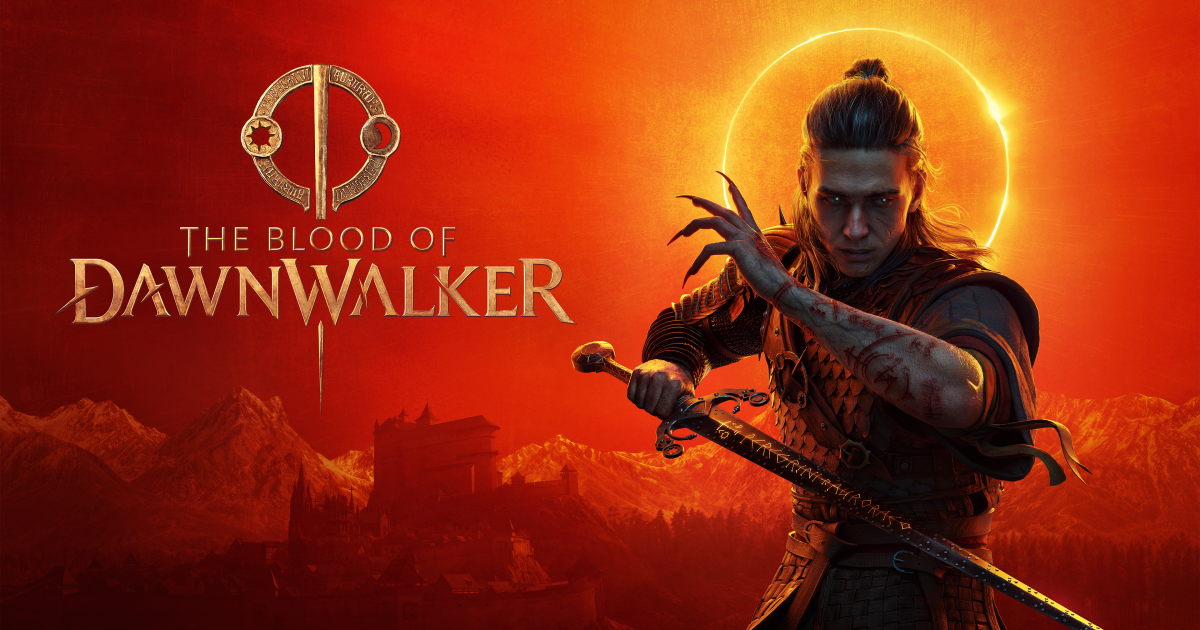
The debut title from independent studio Rebel Wolves was a huge success on the market, selling over 1 million copies within the first few days of release. While critics praised the dark vampire epic’s fresh time management, modding platform Nexus Mods presents a different picture. By far the most popular modification, called “Better Story Timer,” interferes directly with the core of the game’s design and significantly reduces time tension. While many PC gamers can easily download the mod, a heated debate is breaking out on social networks over whether today’s gamers are still willing to make uncomfortable design decisions and suffer real consequences.

The rationale for Blood of the Dawn Treader is based on an inexorable time window: the protagonist has a full 30 days and nights to save his family from destruction. Every decision, mission completed, world explored, or even talent points allocated in the menu keeps the clock ticking.
This system forces you to set priorities, consciously ignore minor tasks, and suffer the consequences of missed opportunities. It’s this element that gives Vampire Adventures its own character and makes it stand out from the crowd of generic open world games.
However, the Better Story Timer mod fundamentally breaks this concept. The tool simply triples the time limit to 90 days, eliminates any time spent on upgrades, and increases daily segments extremely high. In a short period of time, the script was downloaded tens of thousands of times.
To supporters of the original developer’s vision, this feels almost like a deliberate teardown of the game. Critics On the other hand, many PC gamers defended their move. Anyone looking to enjoy an extensive role-playing game after get off work will often find artificial time pressure to be a stressful distraction that nip the excitement of exploration in the bud.
Ultimately, the argument reveals an interesting distinction: While developers seek to create new excitement through bold friction design, parts of the community are quick to exploit the openness of the PC platform to adapt games to familiar comfort zones. However, this could be extremely damaging to future game development, as it essentially requires developers to make their designs as mass-producible and “destructive” as possible.