

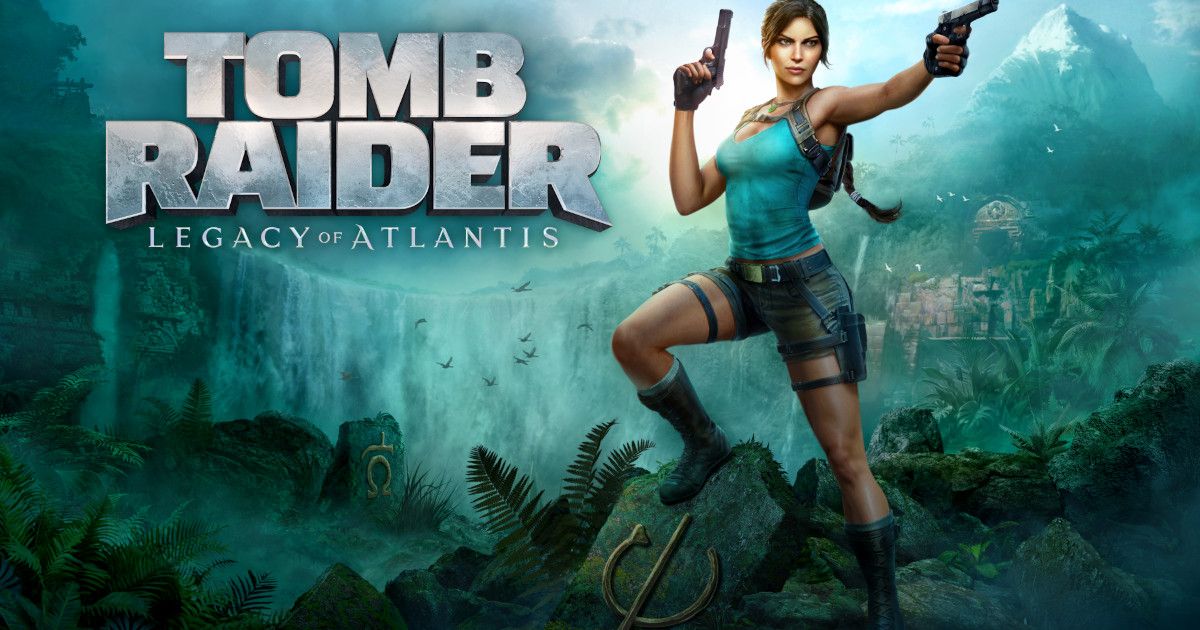
As part of the current Nintendo Direct presentation, publisher Amazon Game Studios and the development team from Crystal Dynamics and Flying Wild Hog have officially announced the start of the pre-order phase for Tomb Raider: Legacy of Atlantis on Nintendo Switch 2. The production is a complete reinterpretation of the 1996 first installment of the saga. The action-adventure game will be available simultaneously on PlayStation 5, Xbox Series X/S, PC (Steam) and new Nintendo consoles on February 12, 2027. While the digital Switch 2 version is available directly in e-stores, regular retailers rely on physical game key cards and collector’s editions with physical gifts.

The new version puts players in the role of archaeologist Lara Croft as she embarks on a global expedition through dangerous areas from the deserts of Egypt to the jungles of Peru in search of the lost artifacts of Atlantis. In terms of content, the plot of the original work has been expanded, establishing a deeper narrative connection between Laura’s debut novel and her later adventures.
Gameplay combines classic puzzle and acrobatic elements with modern controls, grappling hook mechanics, and cinematic clashes with animal predators, mercenaries, and mythical creatures. To adapt the adventure to modern standards, key moments such as the iconic battle with the T-Rex have been completely revamped, both visually and interestingly.
Those interested in purchasing a Nintendo Switch 2 can choose from three different product models. The Standard Edition includes the main game and a survivor outfit as a pre-order bonus. The Deluxe Edition adds 48 hours of early access, Paris Escapes alternate costumes, and access to story DLC packs planned for post-launch. For collectors, the store will also feature a Collector’s Edition, which includes a Lara Croft figurine, premium steel box, mini art book, Croft seal and Triumvirate amulet keychain, in addition to all the extra digital content.
The game will be released in February 2027, allowing veterans and new players alike a contemporary re-evaluation of one of the most influential chapters in video game history.