

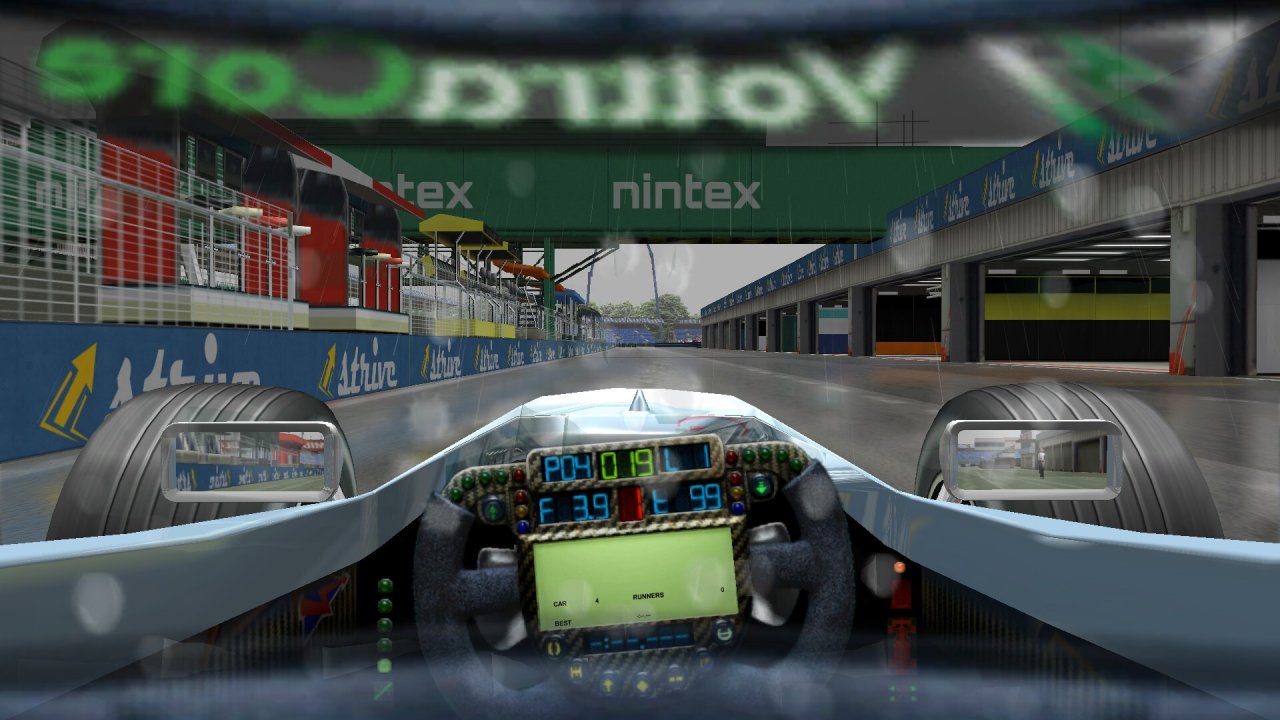
project GCR Jeff Cramondwhose purpose is to revitalize Grand Prix Seriespublished the first development diary dedicated to the work in progress, explaining planned interventions for modern hardware and operating systems. The team made it clear from the beginning that the goal was not to change the emulation behind the game, one of the elements that has kept the community alive over the years, but to make the game easier to run on current PCs without having to resort to wrappers, specific configurations, and other external solutions.
community projects
The most technically complex title is Grand Prix 4, which Raw renderer based on DirectX 8. Developers work directly with the source code and transfer it to the DirectX 11 backend, eliminating dependencies on external software. This is a complex operation, also because a large part of the old graphics code was written at a lower level and contained most of what was in assembly. However, according to the team, this path allows for greater control over the game’s behavior and creates a stronger foundation for future development.
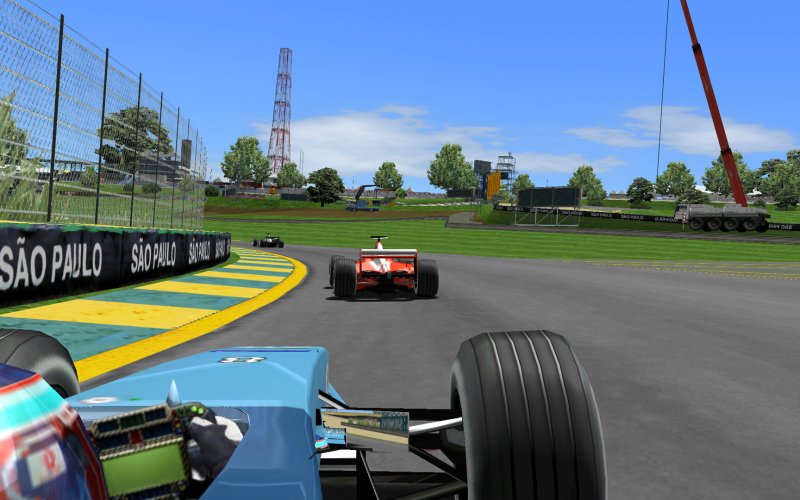
The move to DirectX 11 also introduced A more modern shader system. Some graphical effects that were integrated directly into the code in the original game are now managed through separate HLSL files. This will make it easier to edit, fix and test them, as well as open them New possibilities for retrofitting. However, the intention is not to overturn the look of the game: the team wants to maintain the original aesthetic while making graphical elements easier to modify by the community.
Geoff Crammond’s legendary F1 Grand Prix will return to Steam in 2026 under the new title “GCR”
A particularly complex part of the project involved licensing. Rights allowing the use of team and driver names, brands, sponsors and other motorsport related material have effectively expired and cannot be automatically reproduced in new releases. Grand Prix 4 was particularly problematic, with nearly 300 brands spread across tracks, liveries, textures, menu images and other graphical elements, with thousands of assets in total needing to be verified, replaced or modified.
The team attempted to contact the rights holders directly, but this proved complicated. PR department sent thousands of emails, made hundreds of phone calls, and won multiple cases When he managed to contact the person responsible, he received a positive response. Some companies have given support, while for many others the requirements appear to have evaporated. However, licensing work is still ongoing.
At the same time, unusable assets were replaced with fictitious names and logos. Some interventions were also made to the models and textures, such as correcting old UV coordinates that were causing circuit surface distortions. So far they have 1,987 textures replaced or updated. However, the developers stress that they want to maintain the greatest possible compatibility with the original files so that fans can modify the game again and restore their assets if allowed.
Team and driver names have also been moved to plain text JSON files, making Easier to make changes Compared to needing to meddle with old binary archives. The focus on modification is actually one of the central points of the project.
It is for this reason that the developers decided to directly involve the community in choosing the team’s new name. The first voting involved the 11 teams in the 2001 GCR4 field. Names must be period-appropriate, original, and reasonable, avoiding distortions or obvious changes to real names. Examples provided by the team are “Red Convoy” and “Corsican Modena”and names deliberately similar to genuine products will not be considered.