


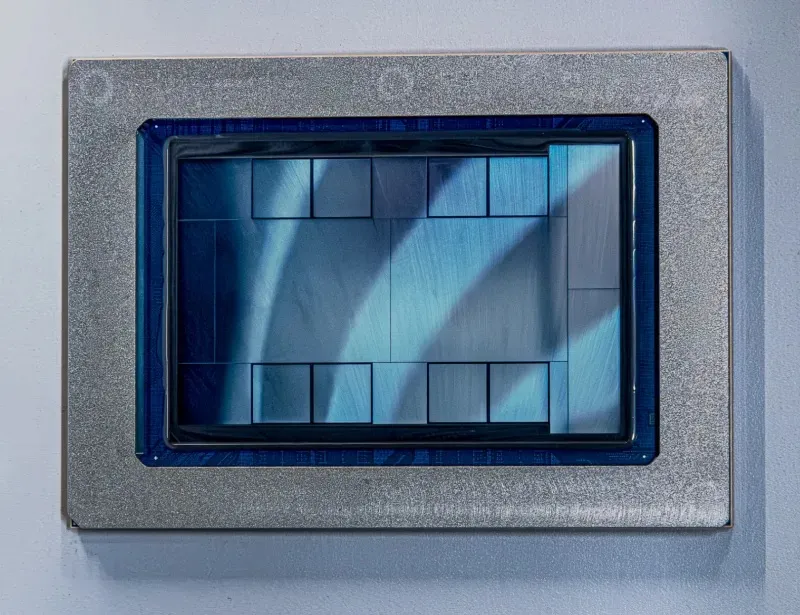
Yuan✴ Platforms plans to start using its new AI accelerator in data centers in the first half of next year. The company says this will save money and energy when using artificial intelligence models.
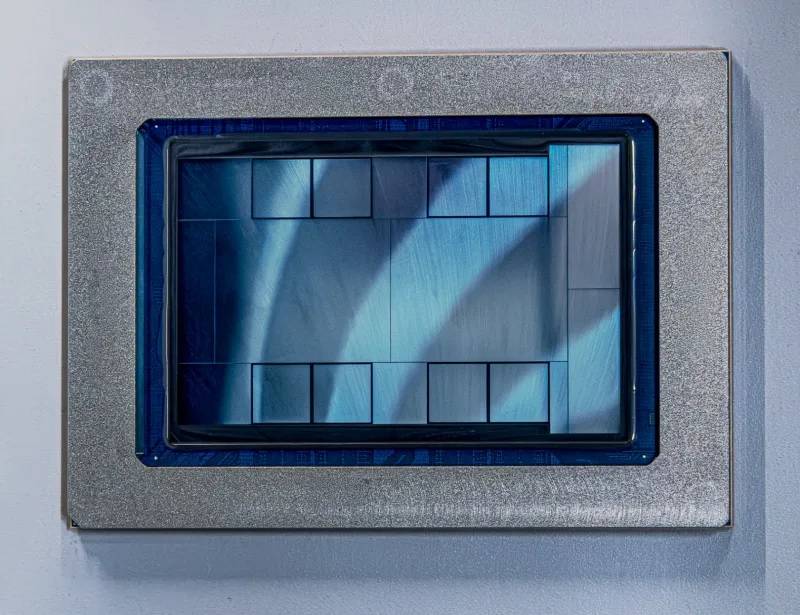
Image source: Meta✴
First-ever plan to create Meta’s own artificial intelligence accelerator✴ The news was announced back in 2023. The third generation accelerator of the series is currently being tested – the MTIA 450 (Meta✴ Training and Inference Accelerator, also known as Arke). The design of the next-generation accelerator MTIA 500, code-named Astrid, will be completed in about a month, and its operation in the data center will begin at the end of next year.
“With each new accelerator, we take more technical risks and achieve higher performance.”,” Meta Vice President commented on this issue✴ Yee Jiun Song’s PhD in Engineering. According to him, this is to increase productivity per watt of energy consumed and dollar spent.
Yuan✴which is owned by Facebook✴Instagram✴ And WhatsApp is developing its own accelerator as part of a massive plan to create widespread artificial intelligence infrastructure. The social media giant is working with Broadcom on design and TSMC on manufacturing. The project aims to reduce meta-dependence✴ Products from Nvidia, a leader in the development of artificial intelligence accelerators.
When measured by energy consumption, a key indicator of the AI data center industry, Meta✴ It is planned to use accelerators with a total capacity of more than 1 GW within a year. According to Masayoshi Son, who is in charge of the Meta project, since then✴ Developing our own chips, “The pace is expected to increase”. Such predictions make sense as long as the AI market doesn’t collapse or demand declines, he added.

MTIA 450 / Image source: Meta✴
AI department yuan✴ The Super Intelligence Lab is helping to perfect the artificial intelligence accelerator of the future. Developers provide information about future AI models and the hardware requirements to run them. Son noted that this approach helps make accelerators more efficient at running artificial intelligence models. “What Nvidia currently offers”. According to him, this is happening “Simply because we do most of the engineering work ourselves”.
Sources say TSMC transfers Meta✴ 12 new boosters launched on September 1st. Their performance was consistent with predictions, with deviations from simulation results of only 2-3%. On the same day, engineers used accelerators to process Meta AI models✴and algorithms from DeepSeek and Alibaba.
Preliminary tests show there are no problems with the new accelerator’s design. However, there is still a lot of work to be done in testing and configuring new devices. This will take several months while the AI accelerator’s output ramps up. All four generations of meta-accelerators✴ Most use high-bandwidth memory and are not designed for areas where extremely fast responses are expected from AI models. “These are the workhorses we plan to use for general-purpose inference.”– said the son.
Previously, the company planned to use an artificial intelligence accelerator, code-named Olympus, which is expected to be suitable for training artificial intelligence models and inference. The accelerator was originally scheduled to appear in 2028-2029, but Meta✴ The project was abandoned, including for financial reasons. “When you start building gigawatt and gigawatt-scale capacity, cost does matter. If an accelerator that can handle both learning and inference is maybe 30 percent more expensive, that’s totally unacceptable.”,” said the son.
If you find an error, select it with your mouse and press CTRL+ENTER.