


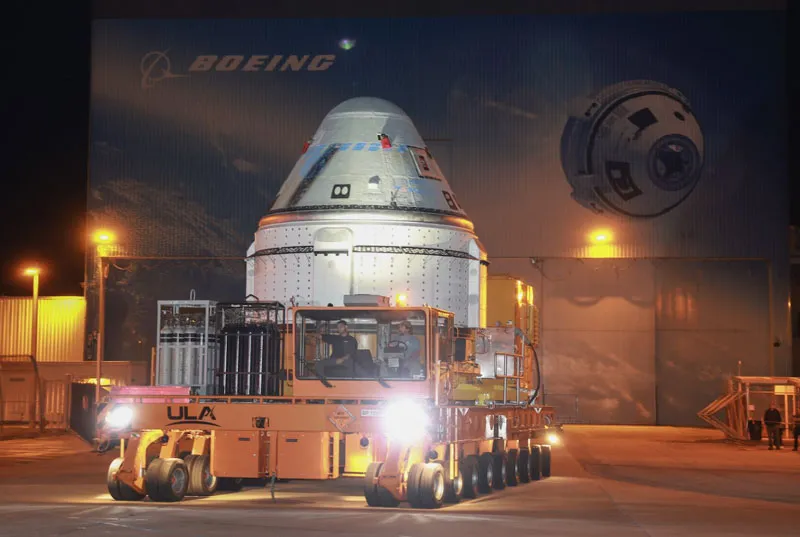
according to sourceNASA will return Boeing’s Starliner spacecraft to its primary role of launching astronauts into low Earth orbit. The agency soon plans to order two more crewed Starliner missions from Boeing, provide some funding for fixes to propulsion system problems and help certify new launch vehicles for future spacecraft launches. SpaceX has committed to halting Crew Dragon flights, leaving NASA with no choice.
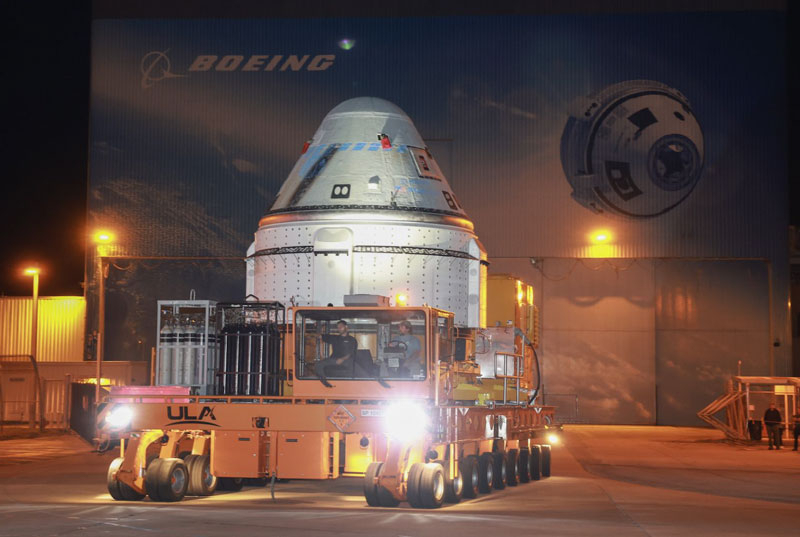
Image source: Boeing
Starliner’s main technical issue remains the service module’s propulsion system. During a crewed test flight in 2024, problems with the spacecraft’s propulsion and attitude control engines prompted NASA to send astronauts Butch Wilmore and Suni Williams back to the SpaceX Crew Dragon spacecraft instead of using Starliner to return to Earth. NASA later classified the incident as a Category A accident – posing a fatal threat to astronaut life – and conducted an investigation that found problems with the vehicle’s design and the agency’s decision-making process.
Another problem with Starliner stems from United Launch Alliance’s Atlas V rocket, for which the ship was designed. Russia has just six launches left to power Atlas, and there will be no new launches. Therefore, Boeing must certify another rocket for the ship, which will require a lot of money and time. NASA is rumored to be committed to helping the company resolve these issues – including funding and negotiations with regulators.
Starliner’s new rockets may be ULA’s new Vulcan rocket and Blue Origin’s New Glenn rocket (leaving aside the issues with the rockets themselves). In addition, it is rumored that Blue Origin is secretly developing its own manned spacecraft under the direct leadership of New Glenn, which, by the way, has the potential to send manned capsules and trucks into orbit at the same time, thus saving launch time.
All this fuss becomes critical for NASA in light of the latest public reports about SpaceX’s plans. It is known that it plans to end the life of its Falcon 9 rocket in favor of a fully reusable Starship complex. This would also end Crew Dragon flights. This would deny NASA the opportunity to transport astronauts to the International Space Station after 2028, which NASA and US authorities will not allow under any circumstances.
SpaceX may continue to fly crews in the absence of an alternative, but the uncertainty has unnerved NASA officials and numerous private companies that have pledged to launch their own space stations into space after the International Space Station is retired. None of them has a clue about the cost of putting people into orbit after 2030, and they are unable to develop a coherent business plan in the meantime. SpaceX, in turn, was unhappy with NASA for providing too much financial assistance to Boeing and appeared to be openly blackmailing the agency.
This week, SpaceX President and Chief Operating Officer Gwynne Shotwell was asked whether the company would meet demand for the Crew Dragon spacecraft and whether it would keep the spacecraft flying “for some time.”
Shotwell didn’t have a clear answer. “We’re definitely not going to stop flying today,” – she answered. Shotwell then suggested that Boeing should step up its efforts to fulfill its commitments. “There’s another supplier, – she said. “I think it’s probably more expensive for Boeing to develop a crewed spacecraft than it is for us.” So let them do their thing. Let them launch their ships. The government paid a lot of money for this. “
If you find an error, select it with your mouse and press CTRL+ENTER.