

Recently, two cryptanalysts announced that they were able to crack two long-pending messages encrypted using the Enigma cipher. To do this, they used a large language model (LLM) created by OpenAI and Anthropic.
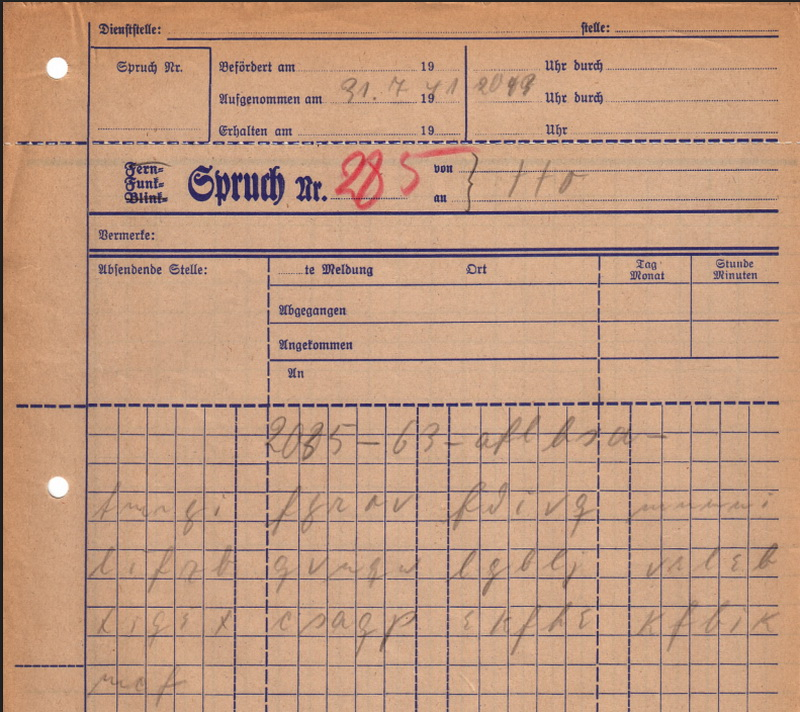
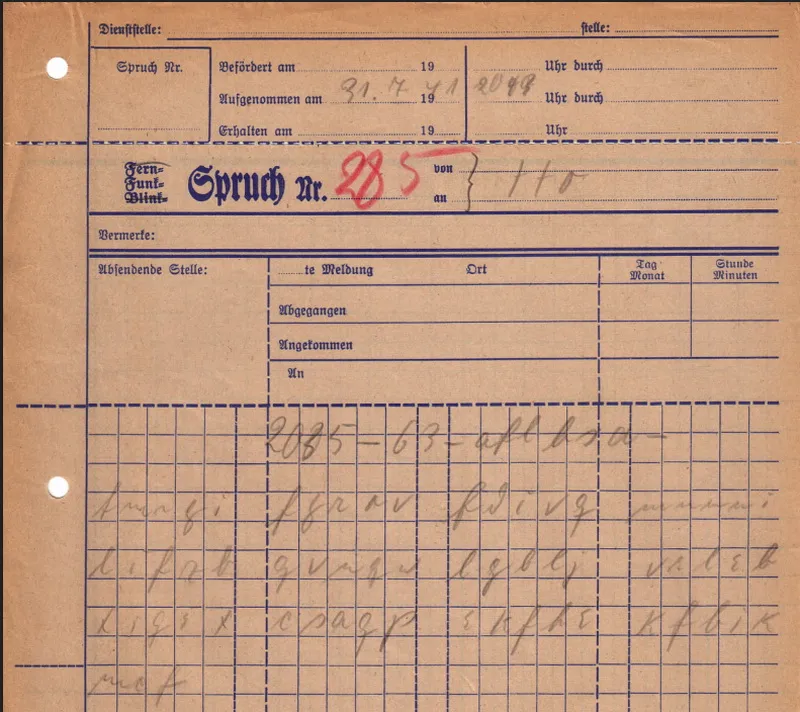
Image source: Crypto Cellar
Computer pioneer Alan Turing is famous for his eponymous test, which was designed to determine whether artificial intelligence could be distinguished from humans. However, a more important challenge he faced in his life was cracking the Enigma code, a device used by Nazi Germany during World War II.
Although Turing and his team of cryptanalysts created an early computer called the Bombe that enabled the British to crack Enigma messages during World War II, a small number of archived messages remained unbreakable. Basically, decryption problems are caused by errors made during the transmission of the message or by the person who originally encrypted the text.
Developer Carter Leffen asked OpenAI’s latest model, Astra, to search the Enigma message database for undecrypted messages and decode them. The model succeeded in its task: it conducted its own search through the archives, discovered contextual clues, created an Enigma simulator, and ultimately reconstructed the clear text of the message that had baffled researchers since 2005. Leffen even used Astra to create interactive websitewhich explains the nature of the problem in detail.
Frode Weierud, a retired electrical engineer with a lifelong passion for cryptography, runs the site Encrypted cellara library of resources, posts, and messages. last week weyerud Confirmed Leffen discovered the correctness of the solution and admitted that the results brought him “utter joy”.
According to Weyerud, archived messages from a “private collection” are cited in the Astra model’s logbook, but are not posted on his website. He’s still not sure whether the model can access the data, but speculates that the data may have been posted online by another researcher, or that the model could access public German government archives.
“GPT-6 Astra performed like a highly specialized cryptanalyst and archivist. What would have taken human researchers weeks or even months to complete, the system completed in just two days. Personally, I spent weeks studying the Bundesarchiv documents referenced by the GPT-6 Astra model.”wrote Weyerud.
On September 21, another cryptanalyst and network security expert, Jack Willis, contacted Weyerud. He said he used Anthropic’s Claude Opus 5 model transcript Another message remains unresolved. Willis provided more detailed input to Crowder’s model, allowing it to use known signatures (names of specific officials) and successfully decrypt the message.
Weyerud pointed out that there are only seven undecrypted messages encrypted using Enigma, and one message whose plaintext is known but the cipher itself has not been cracked.
If you find an error, select it with your mouse and press CTRL+ENTER.