
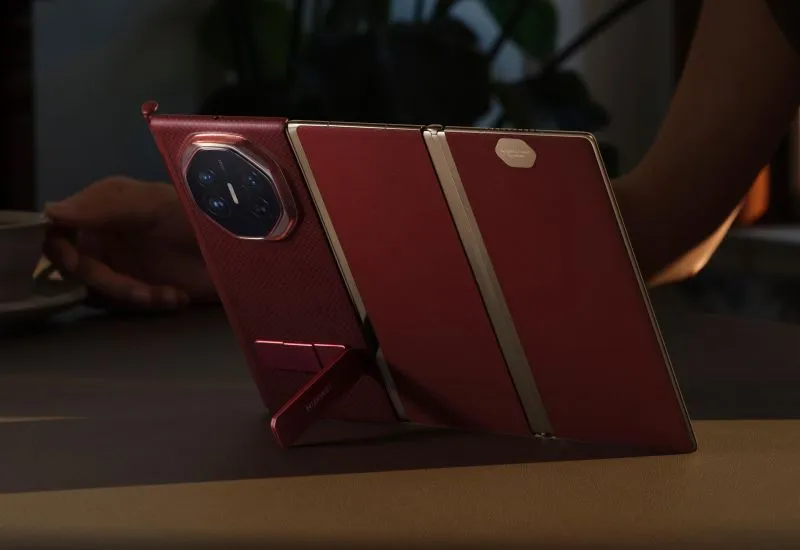
Large electronics manufacturers are widely believed to be better insulated from rising memory prices. But representatives of Chinese giant Huawei Technologies Co. admitted they would be forced to raise product prices because the cost of producing smartphones has increased by an average of $200.
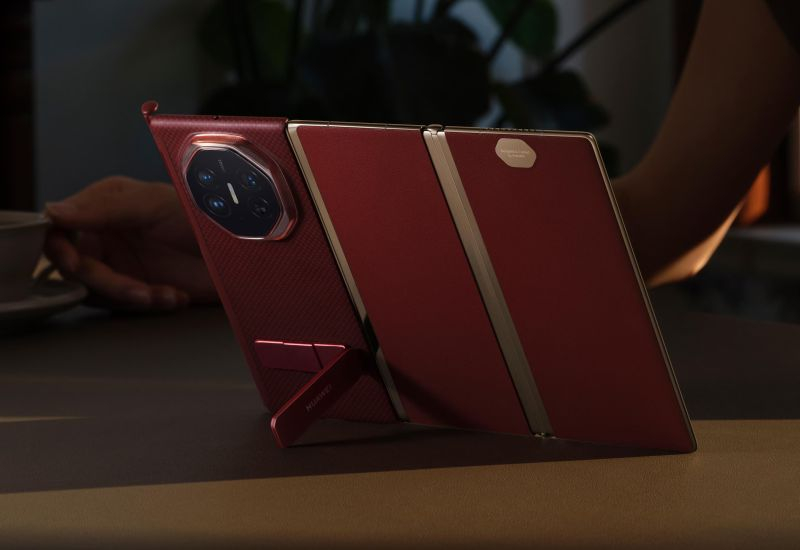
Image source: Huawei Technologies Co., Ltd.
Yu Chengdong, head of Huawei’s consumer business, shared the information with reporters in Shenzhen, quoting Yu Chengdong Bloomberg: “We will have to increase prices in the future, albeit modestly. This situation is hitting our profitability hard.”. At the same time, Huawei management believes that under the current circumstances, the company will be able to differentiate itself from budget smartphone manufacturers, which will become more difficult to survive amid rising memory prices. Representatives from Counterpoint Research recently estimated that by the end of the century, some 230 million sub-$200 smartphones will be “obsolete” from the market due to rising memory prices.
Yu Chengdong said that demand for entry-level smartphones will continue to shrink, and all consumers will have to turn to the mid-to-high-end devices that Huawei is good at producing. “We are confident that we can survive this cycle and bring more innovation at the product level.” – stated a company representative. This week, Huawei launched a new generation of flagship smartphones, including the $1,640 Mate 90 Pro Max. Apple, Xiaomi and Huawei successfully raised smartphone prices in September as memory chip prices rose. Counterpoint Research pointed out that under such circumstances, demand for smartphones in China remains quite weak this year, with the annual decline reaching double digits since July.
Huawei’s net profit fell by 36% in the first half of the year, largely due to the need to increase spending on parts including memory. Consumer electronics products bring about 40% of Huawei’s total revenue, with the same amount of revenue provided by the sales of telecommunications equipment in communication networks and data centers. According to Counterpoint Research, Huawei’s smartphone sales will grow by 8% this year, while other Chinese manufacturers may face declines of up to 34%. This is mainly because the scale of the business allows Huawei to keep the prices of its smartphones at the same level for longer.
It is worth noting that the recent release of the foldable iPhone Duo has increased the popularity of competing solutions in this field, both from Huawei and from Samsung. Since the release of Apple’s first foldable smartphone, the popularity of the $1,650 Huawei Pura X Max has grown 76%, with a total of 1.4 million units sold. By the end of this year, Huawei also expects to sell 1 million Mate XT 2 foldable smartphones, each priced at at least US$2,980. The company intends to promote its flagship model more aggressively outside China, including in European and Middle Eastern markets.
In China’s domestic market, Huawei’s smartphones will start using its own operating system HarmonyOS starting in 2021, and its number of users will reach 100 million by the end of this year. In the coming years, Huawei will promote smartphones under its control outside China. Huawei will also provide its own artificial intelligence accelerator to customers outside the domestic market.
If you find an error, select it with your mouse and press CTRL+ENTER.