


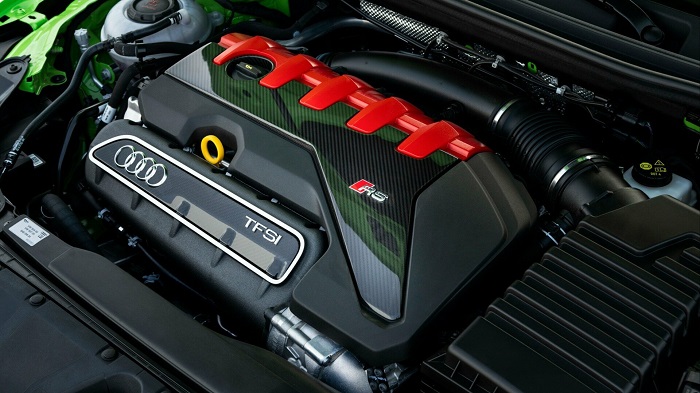
There are not many internal combustion engines in the world that can be called iconic, but the EA855 series engines fit the title without exaggeration. Five-cylinder gasoline turbo engines are not only installed in Audi’s sports cars, but trends in recent years have forced manufacturers to gradually reduce the list of models equipped with these engines. Instead, they began en masse with the installation of highly accelerating inline “wagons” that offered more acceptable fuel consumption and CO2 emissions.
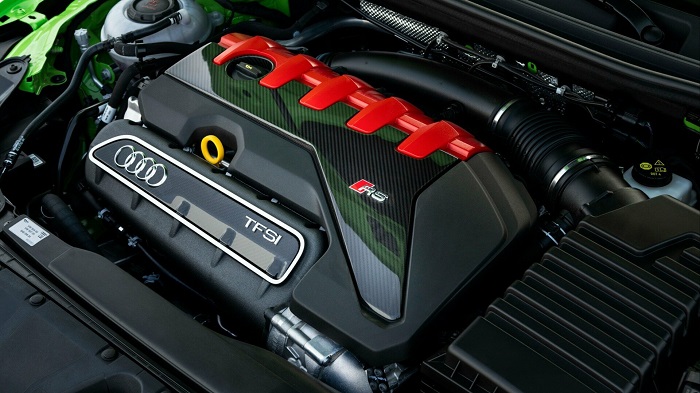
Image source: Audi, Volkswagen AG.
As a result, the future of these engines is in doubt as European environmental regulations become increasingly stringent, requiring manufacturers to invest heavily in upgrading power units. Given the relatively small production volumes of EA855, this may simply not be economically feasible.
However, Audi expects the legendary “Five” to remain. Therefore, Audi Sport chief Rolf Michl famousThe company will continue to evaluate possible uses of EA855. It is recommended that tasks be implemented to protect this engine, including expanding the list of vehicle models in which it is allowed to be installed. This will help increase engine volume production and quickly recoup modification costs.
Also considered an option is one that has long been proven and is now widely used in European cars – hybridization. In this arrangement, the EA855 is connected only when high power generation is required, the rest of the time the car will run on electricity. Although it’s impossible to say for sure, it’s possible that the manufacturer will combine both solutions. This solution has proven effective, but it also has a significant drawback: the cost of the final car increases significantly. So, in effect, the question of retaining the legendary in-line “five” remains open.