

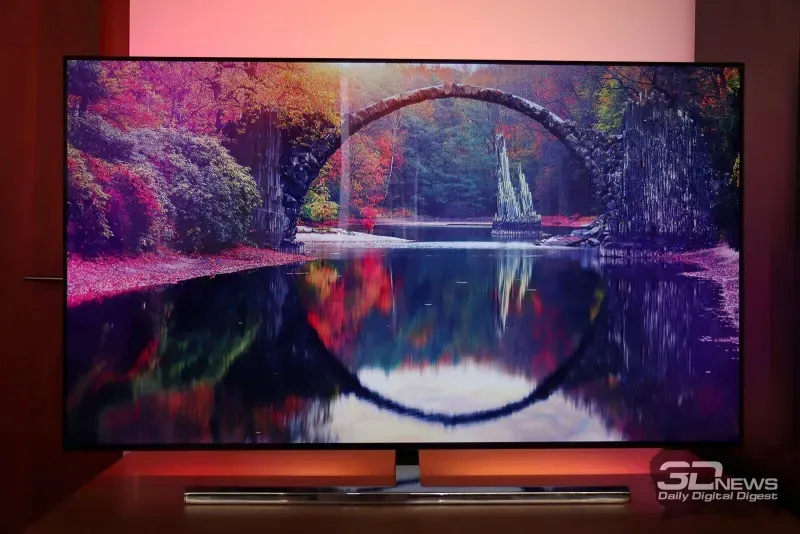
According to analyst firm TrendForce, the global TV market in the second quarter of 2026 continued to be affected by rising memory prices and manufacturers’ efforts to prepare for demand in the second half of the year. This resulted in shipments falling 1.1% from the previous quarter. However, total shipments in the first half of the year increased by 1.3% year-on-year to 93.74 million units, reaching the highest level since the outbreak.
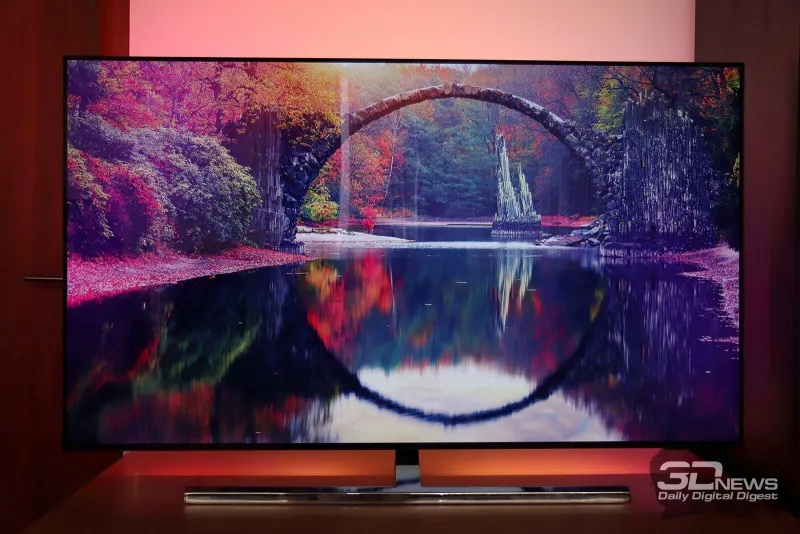
Brand performance has begun to show an increasingly polarized trend: rising memory costs have reduced the profitability of second-tier brands, while leading manufacturers maintain market share through price advantages. In the long term, smart TV platforms, advertising services and content ecosystems will become increasingly important to brand competitiveness. Industrial competition is gradually moving beyond hardware specifications to a business model that integrates hardware, platforms, and content.
In the first half of 2026, Samsung still maintained its market leadership, with shipments increasing 6.3% from the same period last year to 17.6 million units. The company has maintained its competitiveness in the high-end market with Neo QLED, OLED and RGB Mini LED models. Better-than-expected sales helped Samsung’s overall Mini LED TV shipments increase by more than 200% year-on-year.
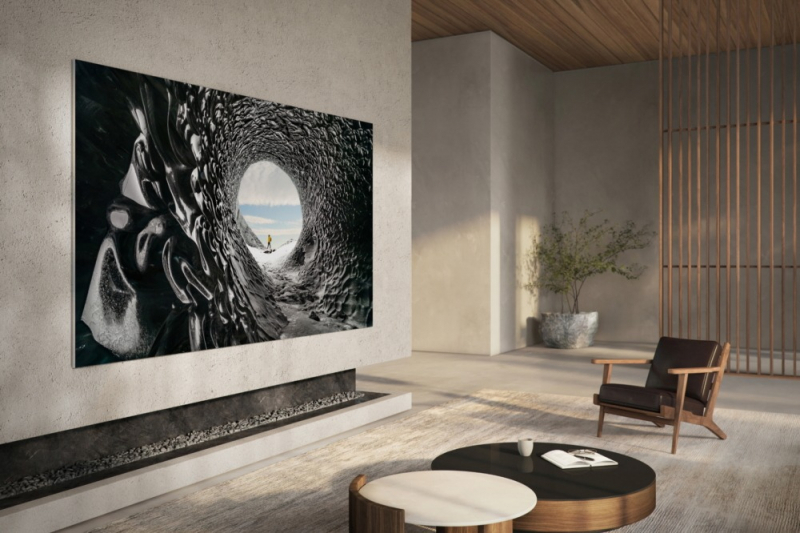
Image source: Samsung
TCL shipped 15.08 million units in the first half of 2026, an increase of 7.1% from last year, making it the fastest growing among the four major brands. The company has expanded its global presence through regional product development strategies while entering the mid- to high-price segment with technologies such as SQD Mini LED and QLED. Also in some markets, more compact and mid-sized FHD QLED models are also popular.
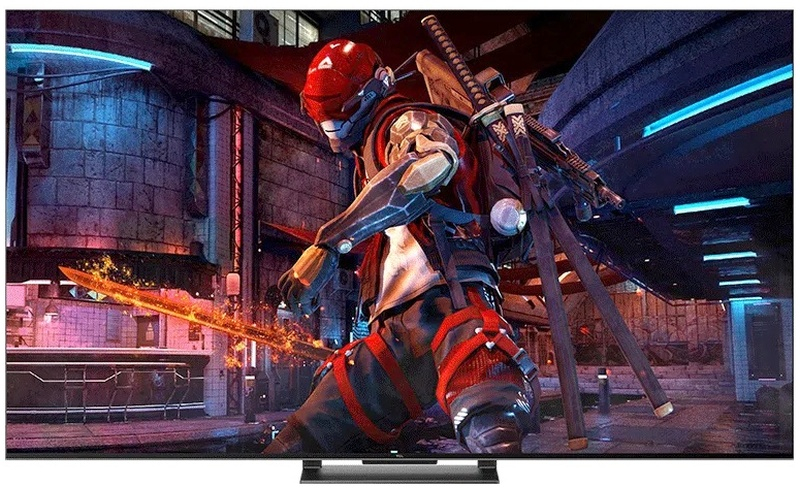
Image source: TCL
Hisense has always focused on large-screen high-end products and relies on RGB Mini LED technology. TV shipments in the first half of 2026 will increase by 3% year-on-year to 14.23 million units. In addition to its leading position in 100-inch and larger TVs, Hisense has also expanded its RGB Mini LED product lineup beyond flagship models to cover a wider range of high-end products. Marketing around sporting events such as the FIFA World Cup will also help solidify its position in the high-end large-screen TV market.
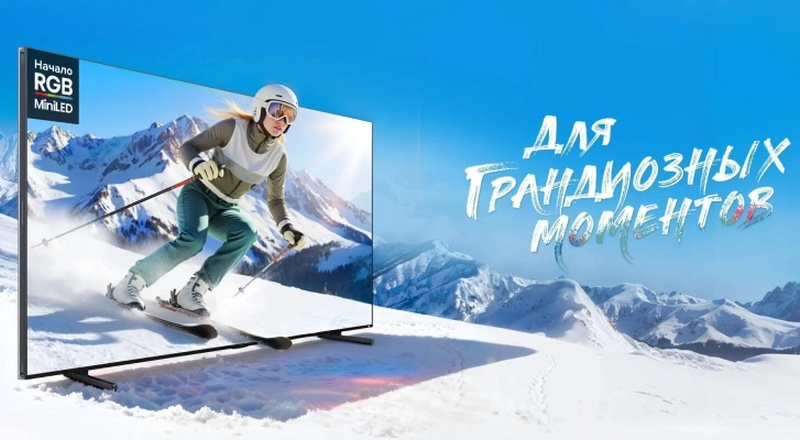
Image source: Hisense
In the first half of 2026, LG TV shipments increased by 3.9% year-on-year to 11.3 million units. This year, the company is expanding its Mini LED product lineup, moving away from its previous reliance on OLED models in the high-end market. Mini LED TV shipments are expected to triple by 2026 from 2025 as LG continues to expand its OLED and Mini LED businesses to expand its presence in the high-end market.
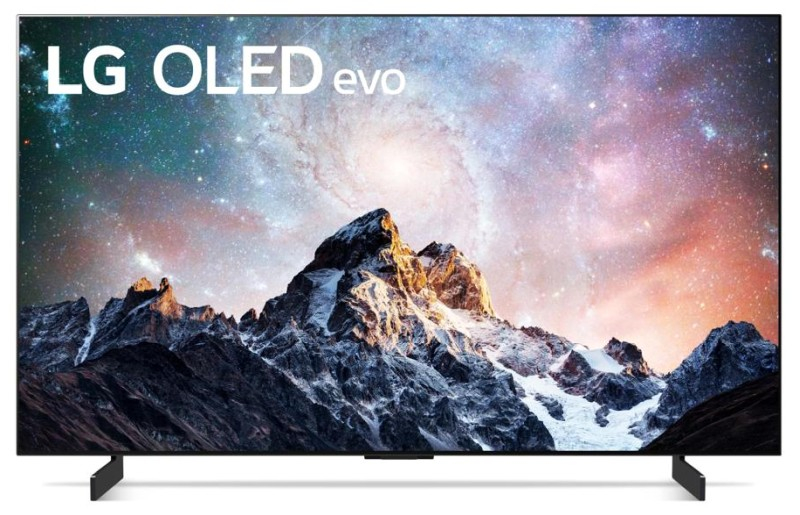
Image source: LG
TrendForce points out that 2026 will be a major turning point for TVs with RGB Mini LED technology, as the technology will become more widely adopted. The technology has been introduced in flagship models and is now expanding their product lines from Samsung, TCL, Hisense and Sony. Increased price competitiveness will also help expand the technology from the ultra-premium segment to the wider market.
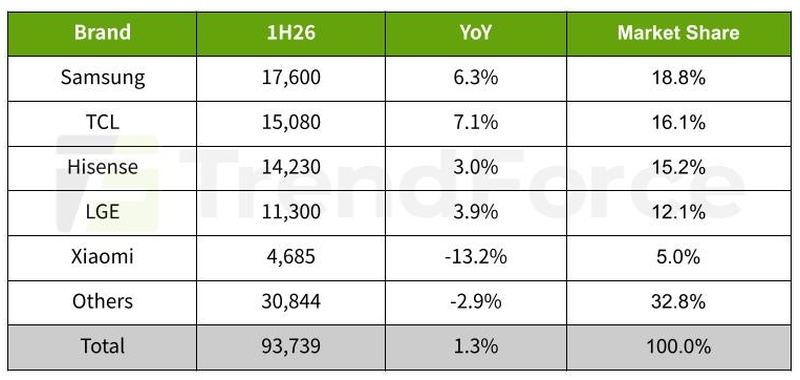
Image source: TrendForce
TrendForce has raised its forecast for global RGB Mini LED TV shipments in 2026 to 1.7 million units, with potential shipments approaching 2 million units. This reflects a shift in brand strategy from pursuing technological leadership to expanding market size and creating a broader product ecosystem.
TrendForce predicts that global TV shipments will fall by 0.8% to 194.65 million units in 2026 due to declining demand. In the short term, brands will continue to add added value to their products by expanding the use of QLED and Mini LED panels and introducing RGB Mini LED technology.
If you find an error, select it with your mouse and press CTRL+ENTER.