


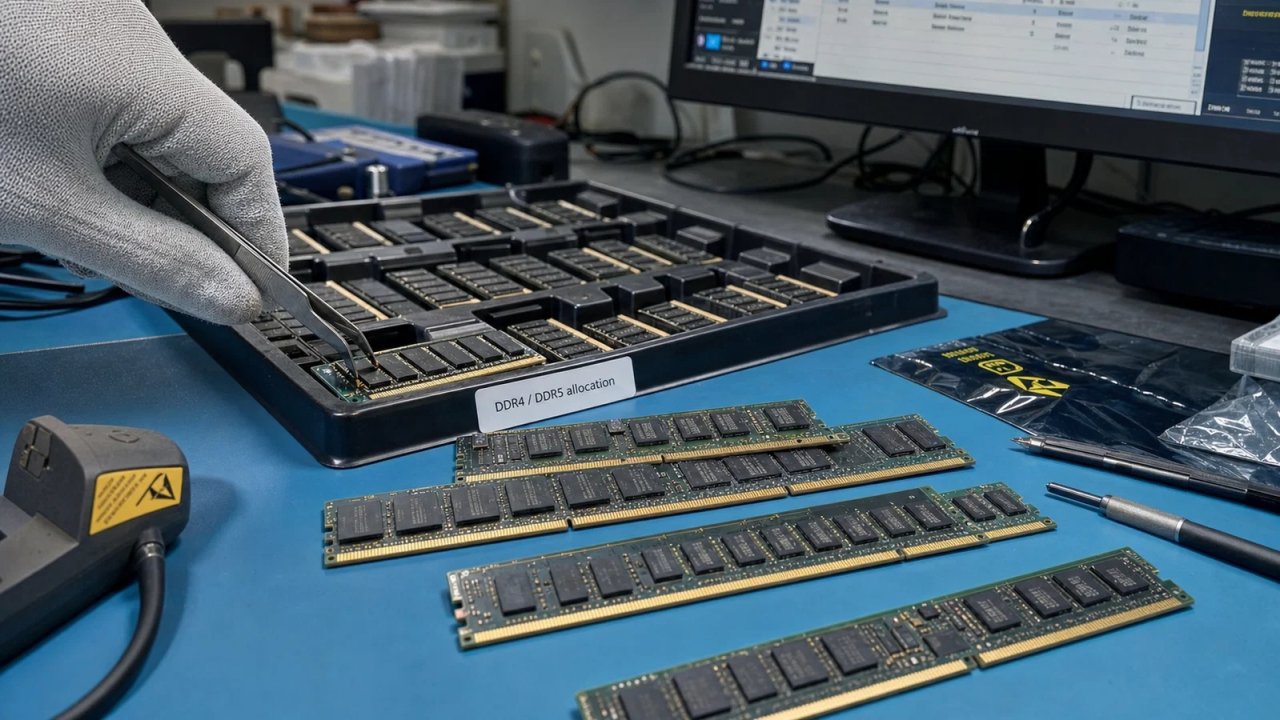
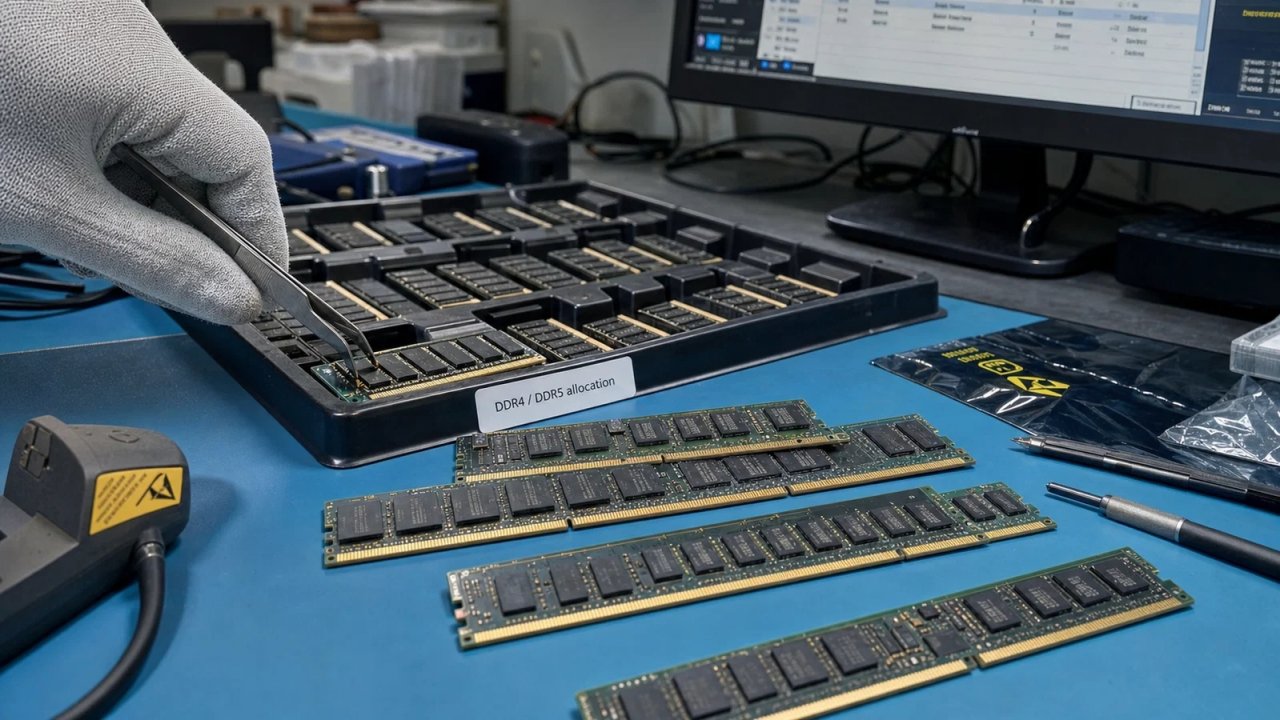
The memory crisis raging across the tech industry is likely to continue for a long time: SK Hynix’s CEO said the crisis could last until and including 2030, extending the current situation by another four years, according to a person familiar with the topic.
It’s a pretty catastrophic vision, although how long this crisis is destined to last remains to be seen, and what’s disturbing is that it comes from one of the world’s largest producers of RAM and NAND memory, so not exactly a semi-unknown source.
Just after the opening ceremony of the new production plant in Indiana, SK Hynix CEO Kwak Noh-Jung issued a prediction for the current situation, talking about a lasting crisis.
In his view, the situation is clearly not that dark, considering that memory production is destined to continue at full capacity or simply increase anyway, driven by demand brought about by competition in artificial intelligence.
Guo said any slowdown in the crisis would likely be the result of gradual easing rather than the sharp price drops the memory market has experienced in the past.
SK Hynix has already reported a supply shortage of basic DRAM until at least 2028, but the CEO’s latest statement worsens the situation for users and the technology market as a whole, pushing the possible end of the crisis further forward and effectively confirming what he had already reported last March and insisting that the worst of the crisis is yet to come.
Kwak’s reasoning is based on the fact that memory products are increasingly complex components: demand driven by the AI industry is driving customers toward custom configurations of DRAM and HBM, making it easier for manufacturers to predict future demand and less prone to the sharp swings in supply gluts that led to previous downturns.
For standard consumers, DRAM and NAND prices are unlikely to fall significantly in the short term, while PC, GPU and console memory costs are expected to remain high for a long time to come.