


The activities of large companies in the technology sector are expected to attract the attention of regulators. Online retail giant Amazon is facing a lawsuit from the U.S. Federal Trade Commission (FTC), accusing it of deceiving advertisers and obtaining $20 billion in improper benefits.
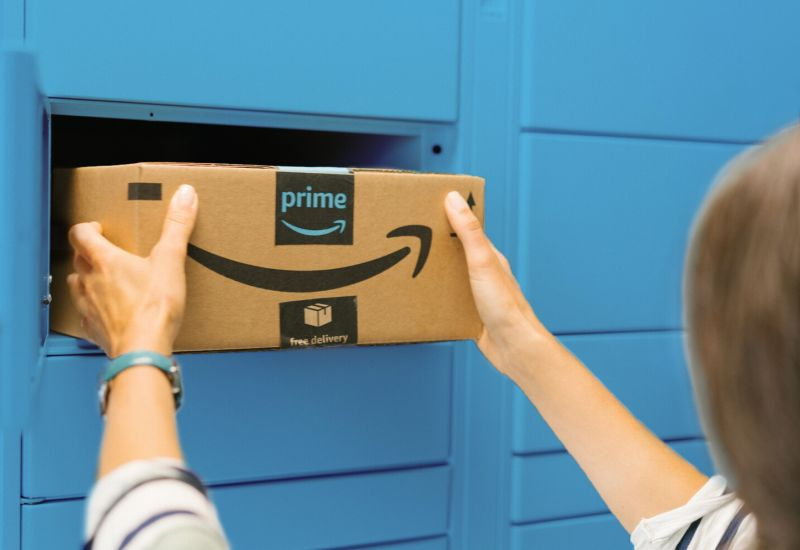
Image source: Amazon
Attorneys general from 22 U.S. states have joined U.S. regulators in the lawsuit. The plaintiffs allege that Amazon’s online platform “secretly and systematically charges” advertisers additional service fees by manipulating prices and auction systems. The latter’s rules changed in 2019, and Amazon may have made an illegal profit of $20 billion since then. According to the Federal Trade Commission. Advertisers pay Amazon more than they need to, and the former’s bottom-line costs are passed on to the cost of goods paid by American consumers.
Amazon said in a blog post that the FTC’s lawsuit is based on flawed arguments and that regulators don’t understand how advertisers operate. Furthermore, the plaintiffs have provided no convincing evidence that end-consumer prices for the goods were actually increased as a result of Amazon’s alleged conduct. According to company representatives, its advertisers will receive complete and transparent information about auction and pricing operations. According to Amazon, the auction system helped advertisers save $8 billion between 2021 and 2025, and it would be inappropriate to talk about their increased spending here.
In terms of revenue, Amazon’s advertising business is second only to Google and Meta.✴ platform. By the end of last year, the first company had generated more than $68 billion in advertising revenue, a large portion of which was provided by targeted product advertising. It must be said that some sellers on Amazon’s website have expressed dissatisfaction with the company’s advertising policies and prices in this regard. According to the FTC, since 2019, Amazon has secretly changed its ad pricing scheme and introduced hidden surcharges to advertisers, increasing their costs without their knowledge.
The plaintiffs asked Amazon to stop this practice of setting advertising prices and compensate for substantial losses. They argued that Amazon’s actions violated local and federal consumer protection laws. A year ago, the online retail giant had to pay $2.5 billion as part of a settlement over the terms of its Prime membership program. Amazon will also face separate charges in court next year that it abused its monopoly market power to raise prices and harass third-party sellers.
If you find an error, select it with your mouse and press CTRL+ENTER.