


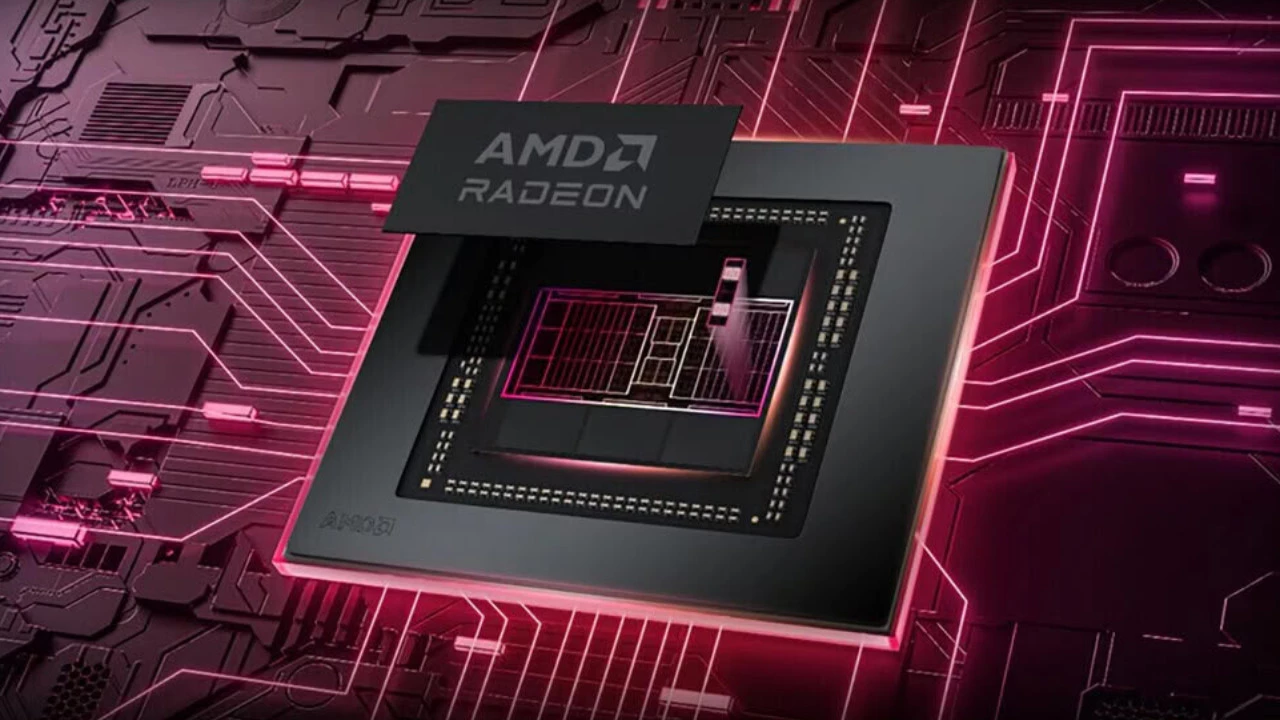

The architecture of the new generation of AMD RDNA 5 graphics cards is implemented in a finished chip for the first time, not as part of a standalone graphics card for PCs, but in Samsung’s mobile processors. SemiAnalysis analysts have released detailed snapshots of the flagship mobile chipset Exynos 2700 crystal, which comes with the Xclipse 970 graphics accelerator based on the latest AMD architecture.
The graphics unit of this SoC has 8 workgroups. While the ratio of WGP to compute units has remained the same since RDNA 4, the GPU contains 16 compute units tailored for energy-efficient mobile environments.

It is reported that the RDNA 5 in the desktop graphics card will receive an operating frequency of around 3.4 GHz, but that is where the information about the RX 10000 ends. The emergence of RDNA 5 in Samsung’s commercial chips makes the Exynos 2700 the first real test bed for the architecture before its debut in the desktop market. The first mobile SoC benchmark will allow us to evaluate the architectural efficiency of RDNA 5 ahead of the release of full-fledged PC consumer graphics cards.
Other publications on this topic

ACEMAGIC demonstrated the F9A mini workstation at IFA, which focuses on local artificial intelligence. The computer will feature an AMD Ryzen AI MAX+ chip, up to 192 GB of RAM, and impressive capabilities for running large models without the cloud.
Yesterday 21:45
7

It may take about a decade for Chinese wafer manufacturing to come close to ASML’s EUV lithography capabilities. This conclusion was reached by UBS analysts after comparing China’s current level of development with the technology of Dutch companies in the early 2000s.
Yesterday 19:15
11

The RAM shortage has already affected the largest providers of AI infrastructure: Google has begun putting decommissioned servers back into service in order to extract available DDR4 modules for new systems, according to industry sources.
Yesterday 18:45
3