


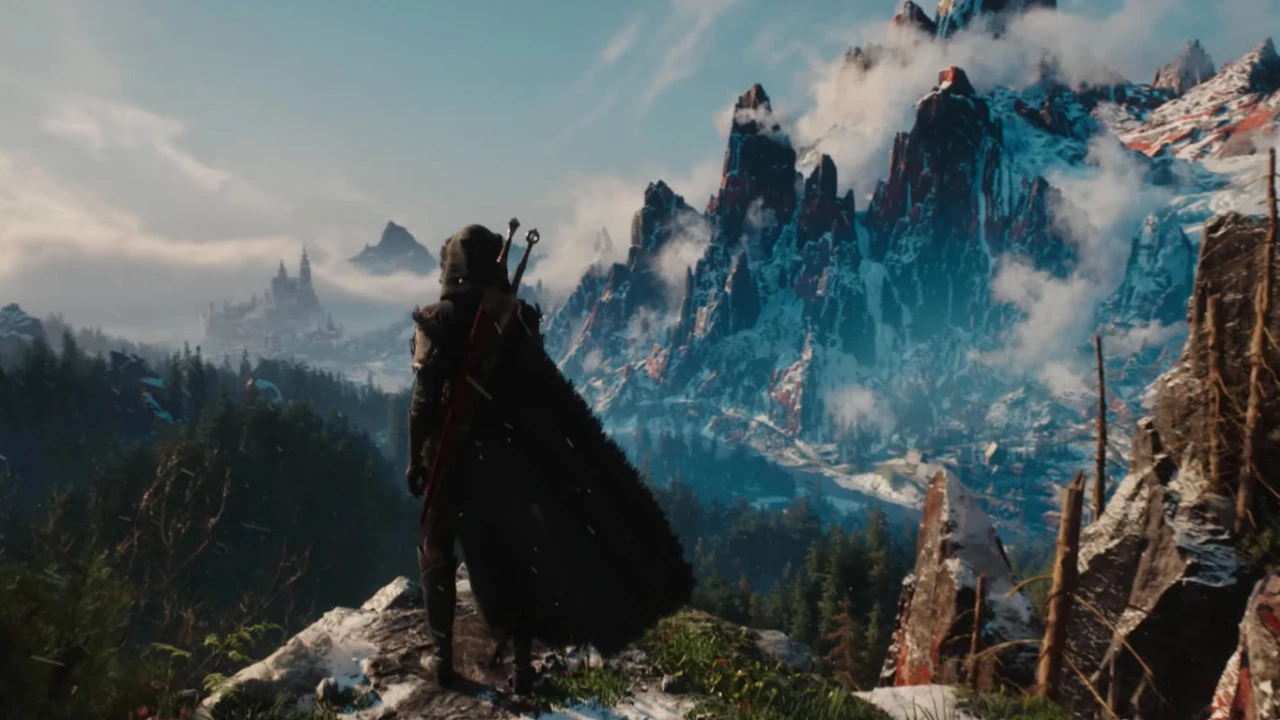

CD Projekt RED switched from its own RED engine to commercial Unreal Engine 5 to develop The Witcher 4, the next installment in the Witcher saga, causing legitimate concerns among fans about the loss of its unique visual style. However, studio management hastened to assure viewers that the game will retain its original look and will not become “another generic project based on off-the-shelf assets.”
CDPR engineering management emphasized that the team did not use the standard shaders, basic lights and preset post-processing profiles that come out of the UE5 box. The art director’s main goal was to inherit The Witcher 3’s signature Slavic aesthetic, dark tones, and earthy, fabric, and natural details.
The studio works closely with Epic Games. The Poles are actually rewriting and modifying the source code of a large-scale role-playing game engine – introducing their own world streaming pipeline, custom solutions for foliage physics and weather effects, and optimizing the handling of large numbers of NPCs and complex artificial intelligence systems.
The development of in-house tools consumes huge resources of the studio, which was clearly reflected in the problematic release of “Cyberpunk 2077”. The transition to UE5 allows us to reduce the time it takes for new developers to adapt to the team and focus on world design and plot, relying on readily available advanced technologies like Nanite and Lumen.