

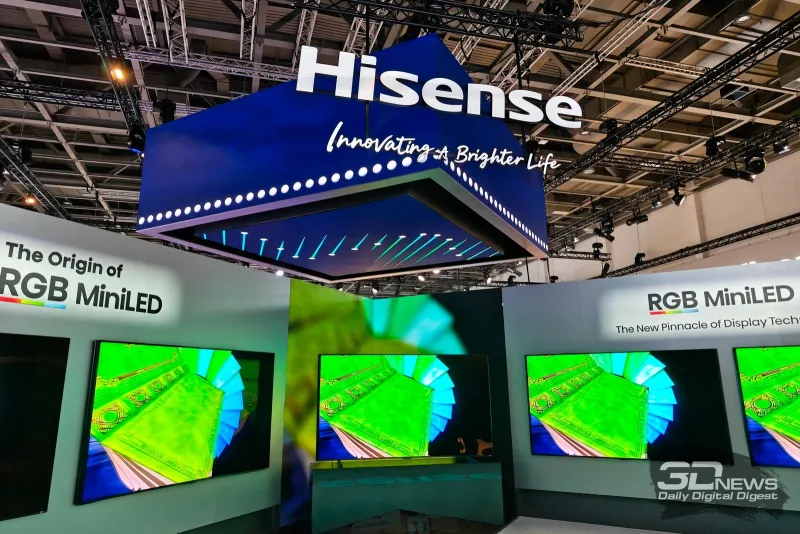
Hisense brought a large number of new products in multiple categories at one time at IFA 2026 in Berlin – from TVs and projectors to refrigerators, ovens and washing machines with large screens and smart functions. The theme of the booth is the gradual transformation of new generation displays and home appliances into mature artificial intelligence ecosystems.
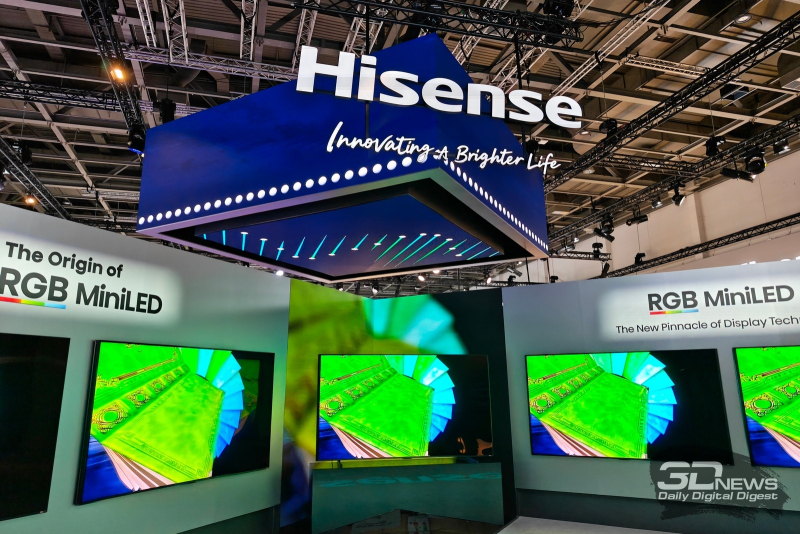
TV: RGB MiniLED takes it to the next level
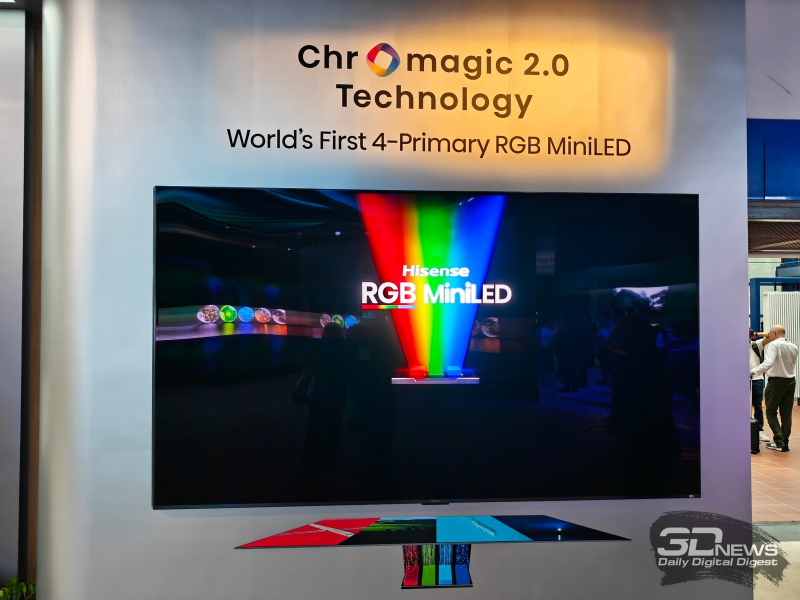
The star of the show is the flagship 116UXS – a new version of the 116-inch TV RGB mini LED. Unlike traditional RGB lighting, which contains LEDs with red, green and blue pixels, the LEDs here contain an extra color pixel – cyan, so the four-color system is able to cover up to 110% of the BT.2020 color space. Hisense calls this system Chromagic 2.0. Peak brightness reaches 10,000 cd/m22Hi-View AI Engine RGB processor is responsible for image processing.
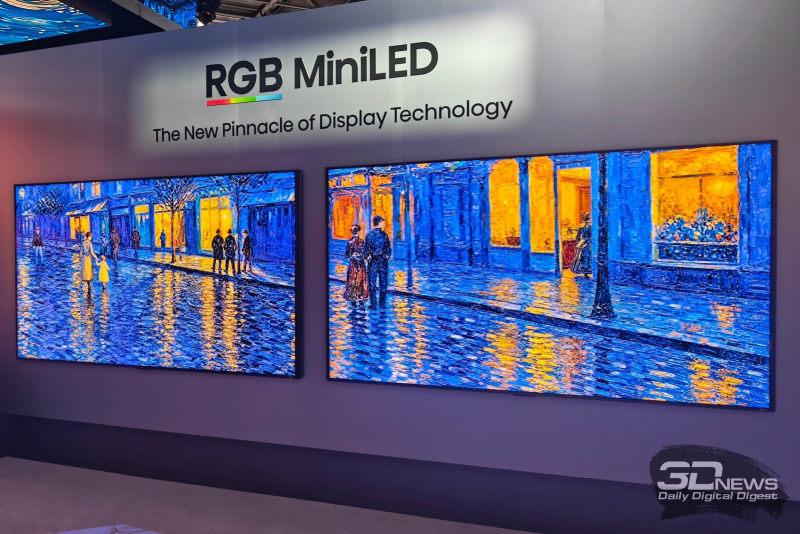
Following the flagship product, RGB MiniLED backlight technology comes to the more affordable UR9S and UR8S series. UR9S is available in 65-85-inch sizes and supports refresh rates up to 180Hz. The UR8S is available in sizes ranging from 55 to 100 inches and operates at frequencies up to 180 Hz. Both series are interesting options for video game fans due to their high refresh rates and also provide additional options for gaming. You can also notice the anti-reflective coating and acoustics tuned with Devialet.
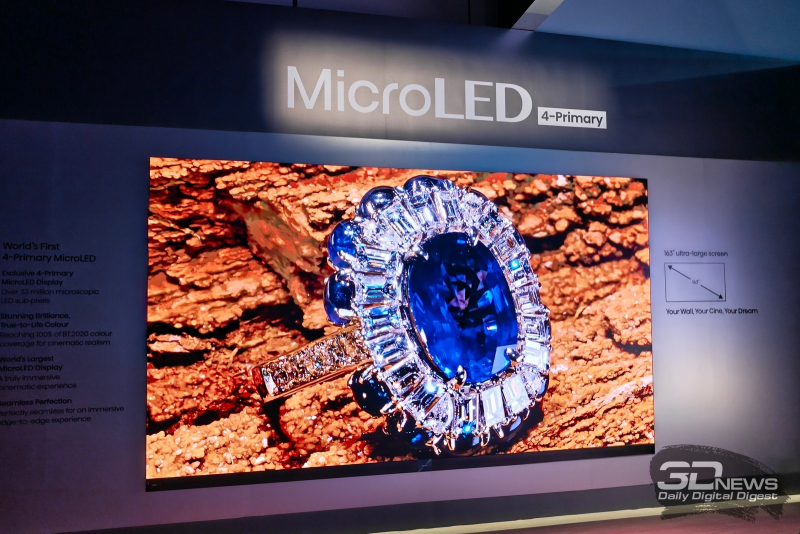
Also on display at the booth was a huge 163-inch MicroLED TV with four basic colors of LEDs for backlighting. Hisense claims 100% BT.2020 color space coverage and 10,000 cd/m peak brightness2. An interesting feature of this model is the ability to instantly convert regular 2D content to 3D directly on the device, without the need for special content or a network connection.
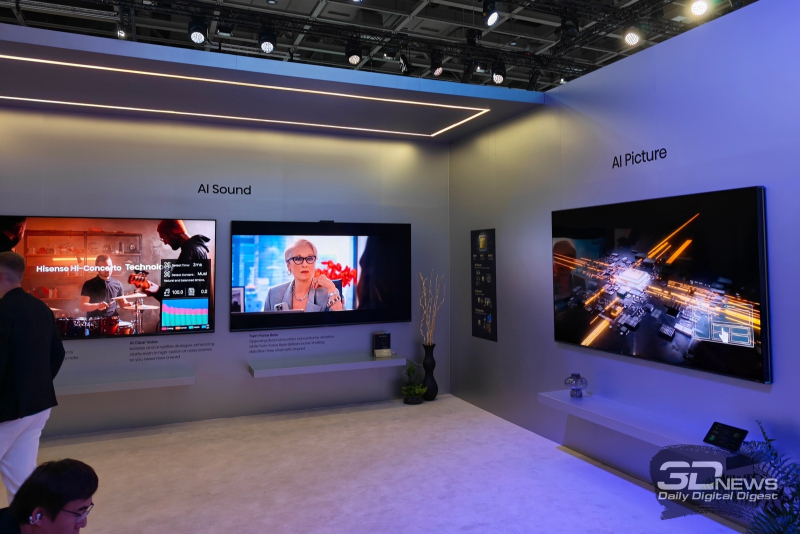
The company is paying particular attention to Dolby Vision 2, the next-generation HDR standard. Hisense has become one of the companies promoting the technology on its TVs, aiming to make dynamic picture processing more precise and customized for specific scenarios.
New generation projector
In the direction of laser projection, the main exhibit is Hisense XR10 – the flagship model of this series laser projector Hisense. This is a projector equipped with a three-color laser light source that can display images up to 300 inches diagonally. With a claimed brightness of 6,000 ANSI lumens, the optical zoom and lens shift system provide greater flexibility for indoor installations. The manufacturer also states that it supports Dolby Vision and IMAX Plus.
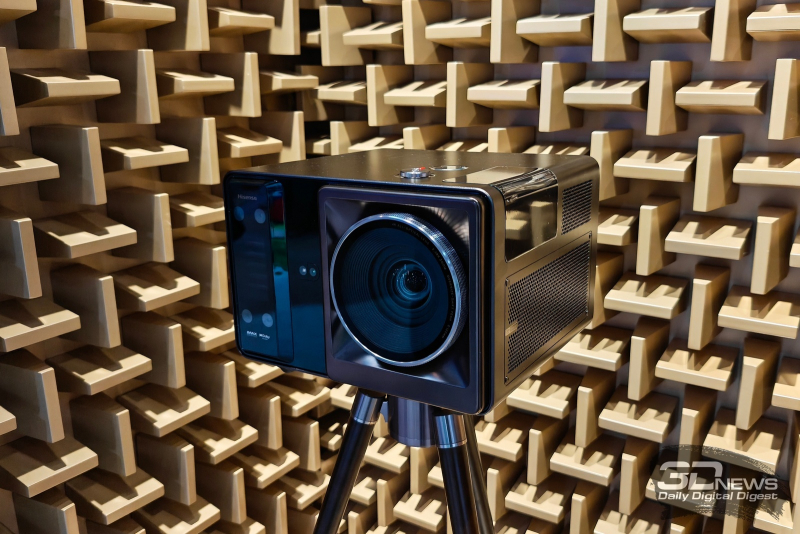
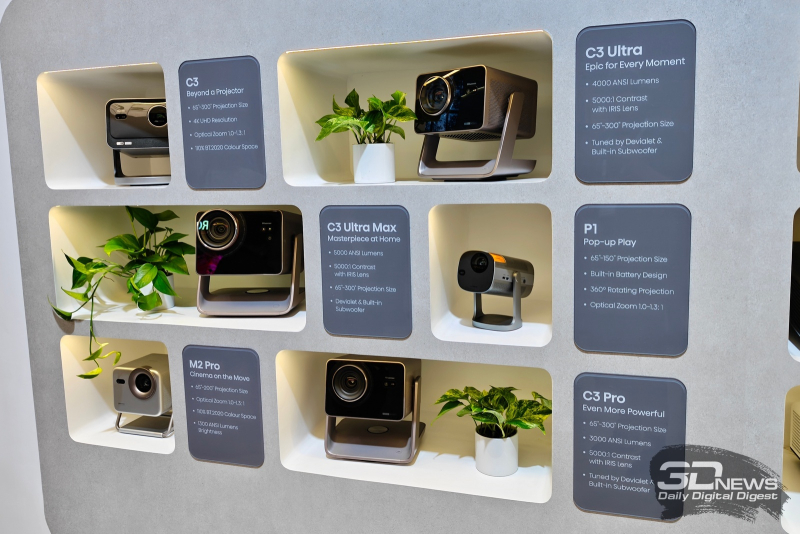
Hisense has also launched the C3 series of home projectors, including C3, C3 Pro, C3 Ultra and C3 Ultra Max models. All four products use three-color TriChroma laser light sources, which can produce 4K images with a diagonal length of 300 inches. The old C3 Ultra Max had a brightness of up to 4000 ANSI lumens, while the C3 Pro offers 3000 ANSI lumens. Depending on the model, optical zoom, lens shift, and automatic image adjustment using AI are available. For sound, Hisense turned to Devialet: the C3 Pro, for example, has built-in 2.1 speakers tuned by the French company.
The company also showcased its range of laser cinemas and laser TVs, including the PX4 Pro and L9Q Pro. Hisense relies on big images, with the help of which any room seems to turn into a cinema, a gaming floor or a sports field.
The first display with RGB MiniLED
The company is gradually moving TV technology to computer monitors. At this year’s IFA, Hisense launched the UX display, its first RGB MiniLED display.
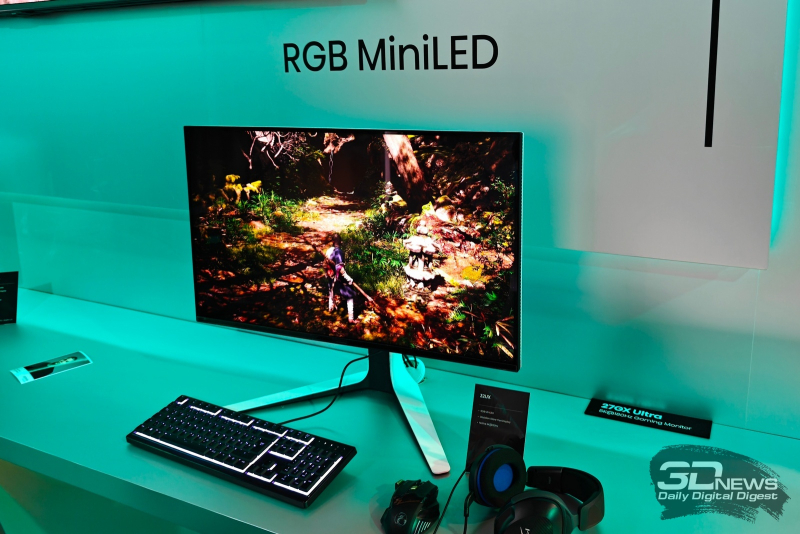
Rather than using a traditional white backlight, this display uses independent color channels in LEDs to provide a wider color gamut and precise tonal control. The design provides 2304 local dimming zones. Hisense is positioning this model as a professional monitor, suitable for tasks where color accuracy is important.
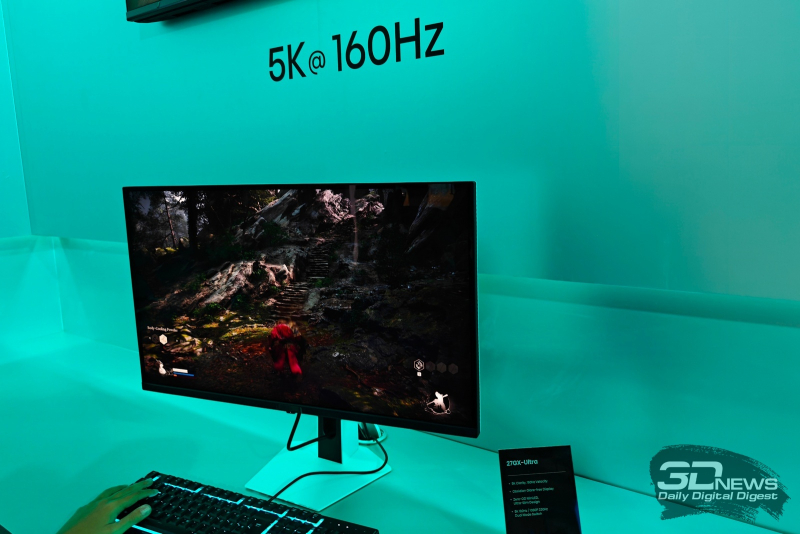
Meanwhile, the company also showed off the GX Ultra, a display with 5K resolution and a special coating that reduces glare and reflections. Overall, the direction looks interesting: Hisense is moving developments previously mostly associated with expensive TVs to the PC world.
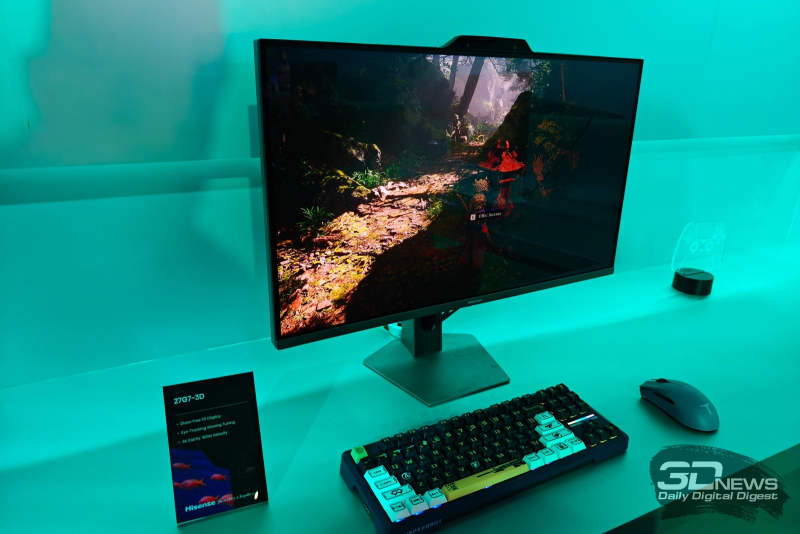
Another technology demonstration is a display that can display stereoscopic (3D) images without the need for special glasses. The system relies on cameras to determine the position of the user’s eyes, and the display produces a three-dimensional image based on that position.
The refrigerator that monitors food and becomes the center of your kitchen
The second major section of Hisense’s exhibition is home appliances. Here, the company is betting on the idea of the smart interactive AI Companion Suite: home devices should not just execute user commands, but should independently understand the context and coordinate their actions.
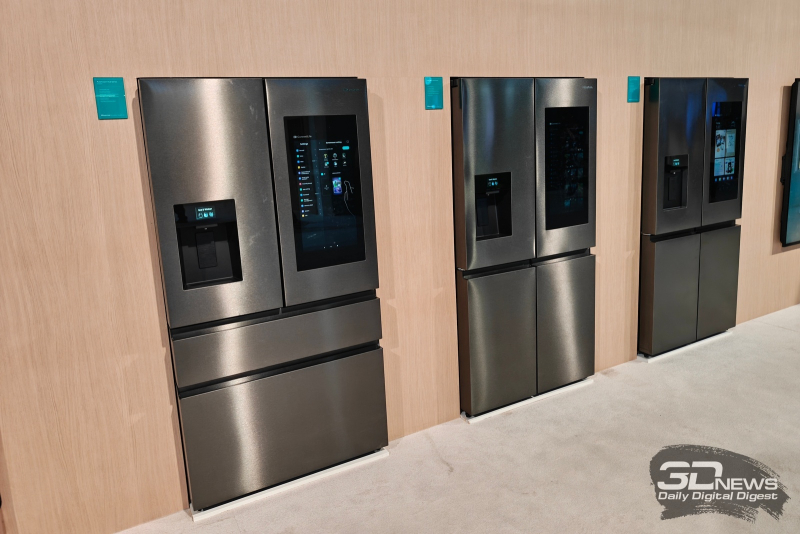
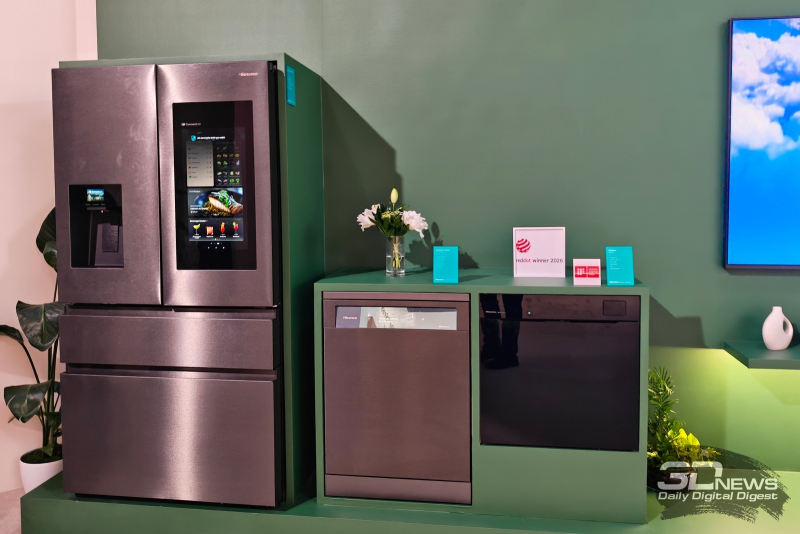
A good example is the new flagship refrigerator equipped with a 21-inch smart screen. Such a display becomes a kind of kitchen control center: through it you can select recipes, monitor the freshness of products and interact with other devices in the ConnectLife ecosystem. These refrigerators also use food recognition cameras along with metal cooling and dual-technology cooling technology.
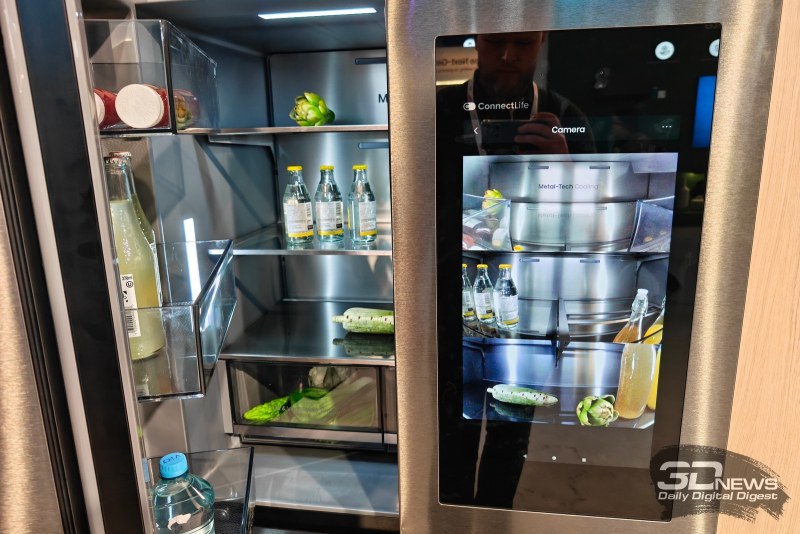
A series of cameras installed inside the refrigerator allow you to see what’s inside, including remote viewing, without opening the door. In the future, refrigerators should be equipped with artificial intelligence product analysis capabilities, which will further expand functionality. The system will be able to advise that certain products may go bad quickly and suggest what can be prepared from existing products.
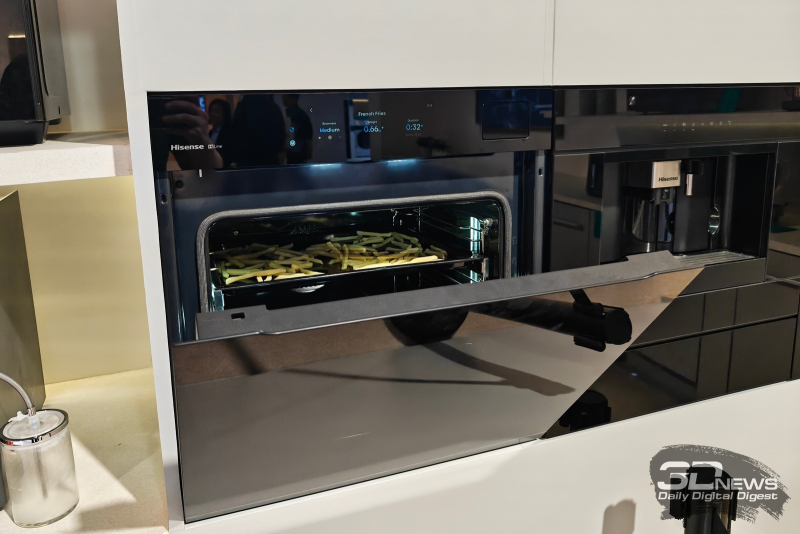
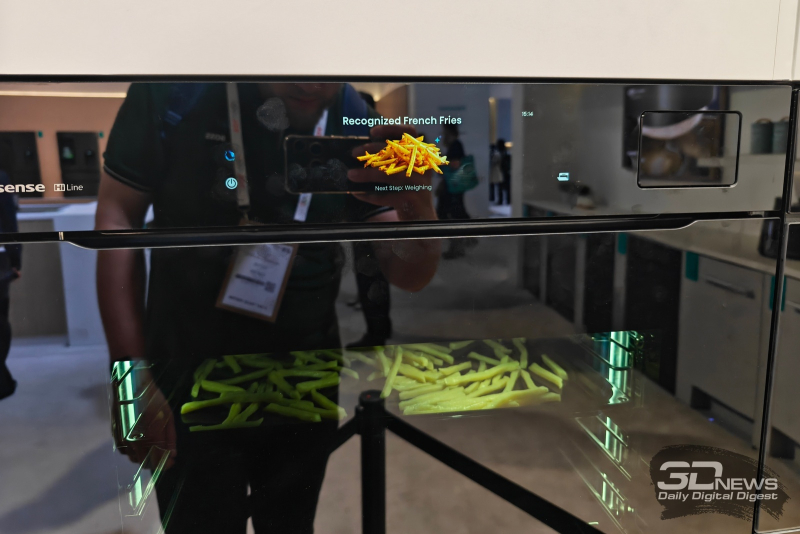
In addition to refrigerators, a very interesting exhibit at the exhibition is Hisense Hi9 new oven. It also implements AI functions, using built-in cameras and sensors to determine which dishes are placed in the cabinet and provide the user with the most appropriate baking mode. In addition, the system provides recipes to diversify the menu. All of this is presented on a sizable color monitor.
Washing machine: a complete laundry room
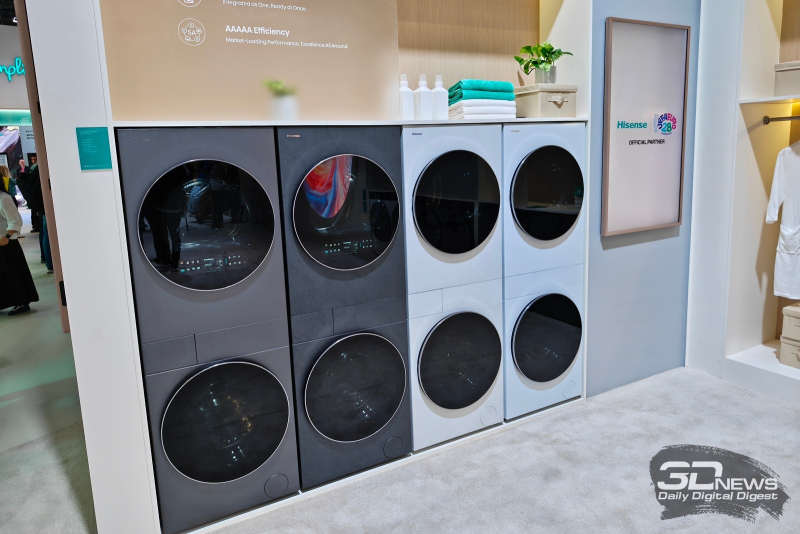
In the field of laundry care, the main innovation is the AI laundry station – a single vertical system that combines a washing machine with a capacity of 12 kg and a dryer with a capacity of 10 kg. Both devices are controlled via a common interface, and 13 sensors help automatically select cycle parameters. The MaxFlow Dry system increases air flow and reduces drying time.
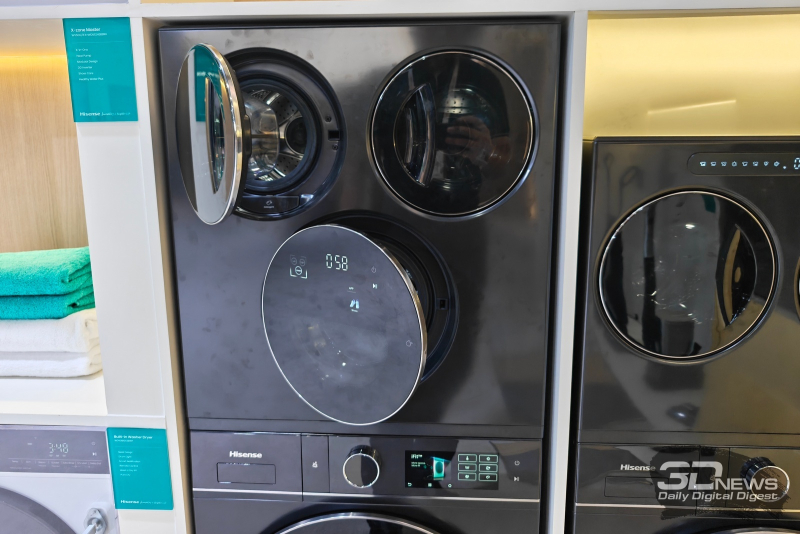
Hisense also brought the X-Zone Master system to IFA, which is a modular washing machine. It includes a washer-dryer main module with a washing capacity of 13 kg and a drying capacity of 9 kg. It looks like a completely ordinary machine. But most importantly, it can be complemented by modules: for example, two small drums per kilogram of laundry, or the option of several kilograms and a two-kilo drum. This way you can wash different things at the same time, or in smaller batches, without having to drive a big machine just for one shirt.
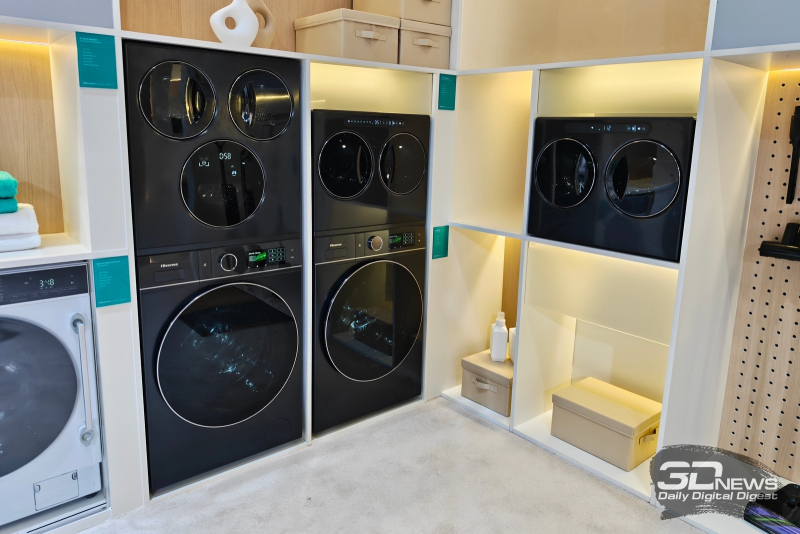
As a development of the X-Zone Master concept, Hisense also launches a stand-alone solution for small apartments – a compact mini front-loading washing machine with two independent 1 kg drums. They allow you to wash small batches of different items at the same time – such as baby clothes and delicate fabrics – without having to run a full cycle on just a handful of items.
Hisense is also developing stand-alone heat pump systems for washing and drying, with a focus on energy efficiency and gentler handling of fabrics.
As a result, Hisense showed a very clear development direction at IFA 2026: while improving its technical advantages in the TV field, it will also make home appliances more autonomous and user-friendly. ConnectLife is gradually connecting devices to a smart home system.
Advertisement | Gorenye BT LLC Taxpayer Identification Number 7704722037 erid: F7NfYUJCUneVeSPjbvi6
If you find an error, select it with your mouse and press CTRL+ENTER.