


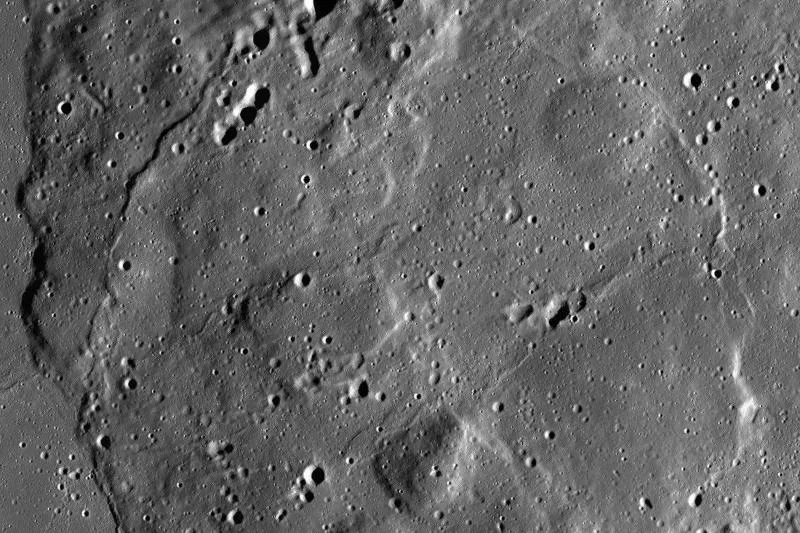
IBM and NASA release An open artificial intelligence model designed to help scientists analyze data obtained from long-term observations of the moon and implement plans to ensure a permanent human presence on Earth’s natural satellite.
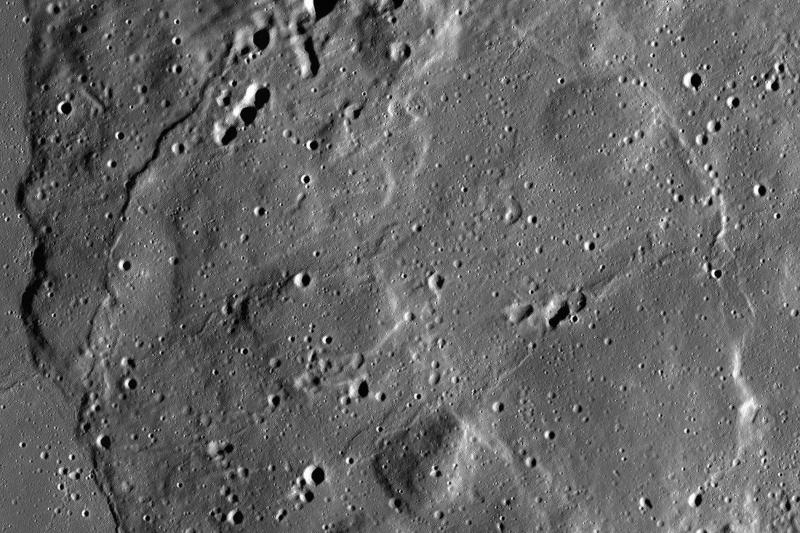
Image source: nasa.gov
This artificial intelligence system is called the NASA-IBM Lunar Base Model and is available to anyone. It was trained on more than 30 layers of data collected by nine instruments on four NASA missions, including the Lunar Reconnaissance Orbiter (LRO) mission. The new system joins the Prithvi family of core open models jointly developed by IBM and NASA for use in geospatial data analysis, meteorology and other fields.
The model will help researchers detect areas of possible ice in the Moon’s permanently shadowed regions, map craters to select safe landing sites, and study volcanic structures. Previously, to solve such problems, scientists have analyzed maps and imagery themselves or turned to lower-resolution machine learning tools. In comparative tests, this model was 23% more accurate in identifying key objects on the lunar surface than commonly used methods.
Lunar ice is of particular interest because it indicates the presence of water and oxygen, which would help establish a lunar base and produce rocket fuel for flights to Mars. The United States aims to land astronauts on the moon in 2028 and test new technologies needed to ensure a permanent human presence on the moon and prepare for future missions to Mars.
If you find an error, select it with your mouse and press CTRL+ENTER.