


The Pudong New Area (Shanghai) People’s Court recently ordered an unnamed Shanghai artificial intelligence services company to pay Genshin Impact developer miHoYo 750,000 yuan (approximately $112,000) in compensation for the unauthorized use of game character voices. The court’s decision concerned a voice-changing service that allowed users to change their voices on the fly using a voice package provided by the company.
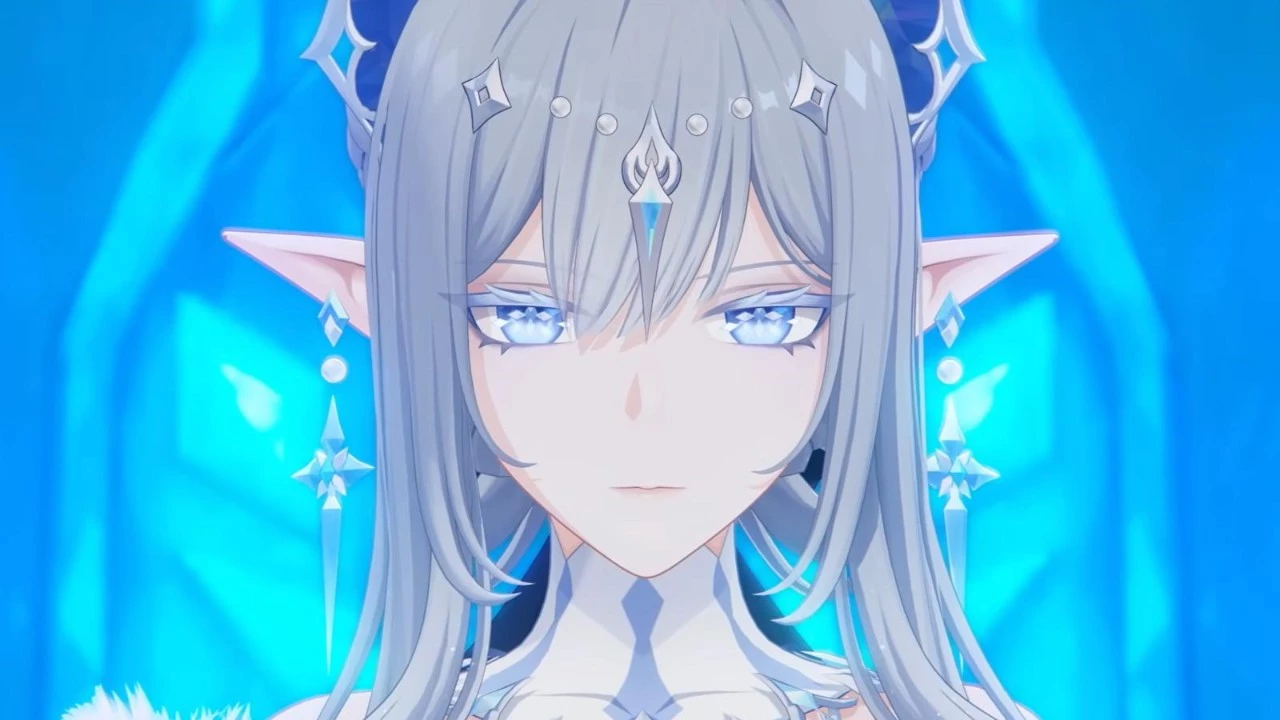
According to miHoYo, the AI service provider copied the voices of 63 Genshin Impact characters without permission and sold voice packs containing these characters. The company also created and released a promotional video for the service using images and animations of Genshin Impact characters, using modified character images as avatars for voice sets and allowing users to preview character lines.
miHoYo alleged copyright infringement and unfair competition, demanding damages of 5 million yuan ($746,000) and an immediate injunction.
The defendants objected, arguing that their speech conversion service is based on artificial intelligence models trained on large data sets, and therefore the speech produced changes based on user-specified input parameters. The company also stated that the dubbing rights belong to the dubbing actors themselves, so they should be the ones making such requests.
However, analysis of voice characteristics showed that the voice parameters generated by the AI service have “almost the same characteristics” as the voices of Genshin Impact characters. Additionally, the defendant admitted in court that he used one-minute recordings of Genshin Impact character voices combined with other materials to train the voice conversion model.
The court held that the character designs and game footage of “Genshin Impact” were copyrighted items, and therefore the defendant’s unauthorized use of these elements constituted copyright infringement.
Additionally, the recognition of Genshin Impact’s longevity means that character voices are starting to become a unique feature that allows consumers to identify the origin of a product. The court held that the defendant’s conduct went beyond the scope of acceptable imitation and constituted unfair competition (i.e., creating imitations that could mislead consumers and cause them to mistake services for official products). Ultimately, the court ordered the AI service provider to immediately cease infringing activities and pay miHoYo approximately US$112,000 in compensation.