

In a recent court case, Sony said “Reasonable consumers will not be misled” And it won’t be assumed that they actually own the digital game they “purchased” from the PlayStation Store. Consumer Rights Wiki has compiled an extensive list of specific instances where Sony has explicitly claimed that users actually own its digital PS4 and/or PS5 games.

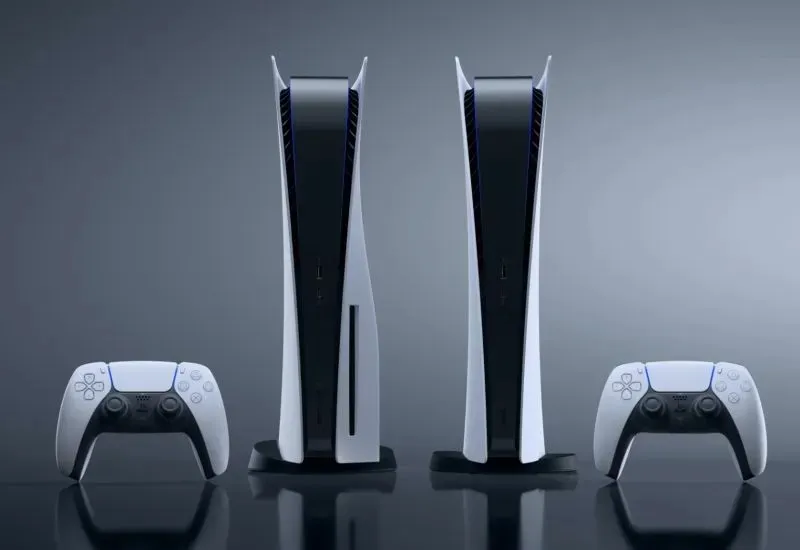
Image source: Sony
Current roster total There are 44 documented claims, but it also mentions hundreds of examples of Sony openly talking about users “owning” games on its various services and pages.
Sony’s position is that no “reasonable person” would consider that adding a game to a shopping cart and clicking the “Buy” button on the PlayStation Store constitutes a contract granting title to the relevant digital goods. Sony argued that it was clear that the fee was for a limited and revocable license to the service that was only available as long as the company maintained the service – which is very different from ownership in the legal sense.
However, the nature of the issue is not ownership, but the integrity of how consumers are informed and how the product is presented. The plaintiff does not believe that purchasing digital games transfers Sony’s underlying intellectual property rights. They noted that the company’s use of words like “purchase,” “purchase” and “own” could reasonably lead consumers to believe they were purchasing perpetual rights to the game, rather than just a revocable license. The difference is crucial because Sony’s defense rests in part on the argument that no reasonable consumer would interpret the deal that way. At the same time, the plaintiffs presented impressive evidence that Sony frequently used this ownership terminology when describing digital games purchased by customers.
The controversy has become particularly acute as the company announced that Sony’s digital store will be the only way to purchase new PlayStation games starting next year. The publisher announced it would stop releasing game discs in January 2028, sparking a backlash from gamers who rely on physical copies of games as proof of ownership. However, it’s worth noting that most players buy their games in digital format (it’s estimated that digital games account for 85% of PlayStation game sales), and as the production of the discs themselves and the devices that read them (optical disc drives) are phased out, the production and use of discs is becoming less and less feasible.
Gamers’ outrage, however, isn’t caused by the fact that the disks are disappearing. The dissatisfaction is long-standing: Gamers have an extremely negative view of the company’s policies, which they believe infringe on consumer interests. The realization that the age of discs is about to become a thing of the past has forced many casual gamers (not just enthusiasts) to face an unpleasant reality: digital copies of games don’t actually belong to them and can be taken away at any time. However, you don’t need to look hard for examples. In June this year, Sony reportwhich will prevent UK users from accessing purchased digital copies of StudioCanal-licensed PlayStation movies starting in September. However, Sony did not provide any compensation or refunds for this.
In recent years, publishers have raised the prices of their games, and so has enthusiasm: where the standard “cap” per game was $60, now $70 is the norm, and more recently as high as $80 (think: Mario Kart World, The Legend of Zelda: Tears of the Kingdom, and the upcoming Grand Theft Auto 6). At the same time, gamers complain that new games often fail to deliver the same level of satisfaction and fun as previous games.
Here we return to the Consumer Rights Wiki and its list of cases where Sony explicitly states on its website and digital store that users “own” the games they purchase. On the Wiki, these citations are accompanied by links to actual page and file copies, as well as screenshots of highlighted text. The Consumer Rights Wiki was founded by consumer advocate and YouTuber Louis Rossmann, but much of the work is done by the community that formed around the site. People are coming together to speak out against the ongoing infringement of their rights, especially as tech companies try to dodge their responsibilities.
Unfortunately, it’s unclear whether the case will proceed to a full trial. Sony is seeking to move the dispute to private arbitration, arguing that all four plaintiffs agreed to this condition when they registered on the PlayStation Network. In this case, the company may pay a small monetary settlement to each plaintiff and the case will be legally concluded. If the case does make it to court, a public ruling could set an important legal precedent — at least in California.
If you find an error, select it with your mouse and press CTRL+ENTER.