

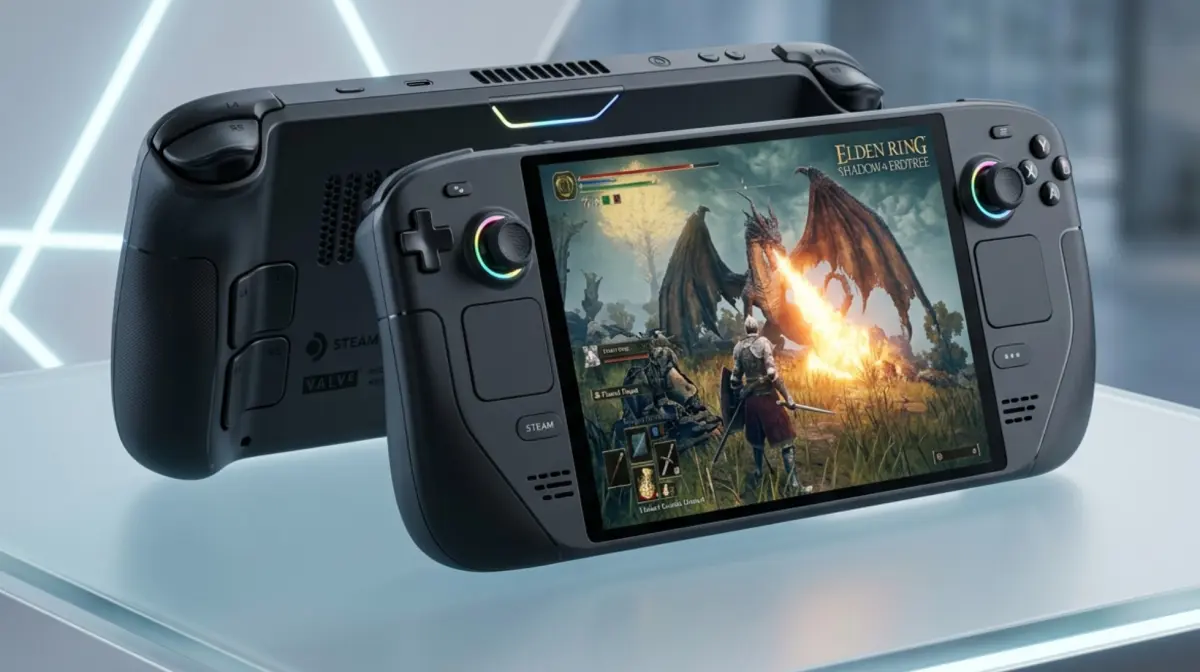
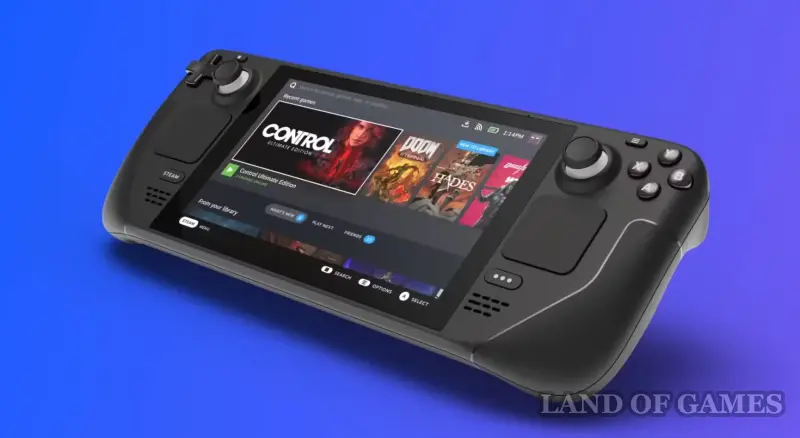
portable console steam deck 2 It remains one of Valve’s most anticipated potential devices, but its development is being limited not by a lack of the right technology, but by cost. The company hopes the next-generation product will be a truly significant improvement over the original, but current conditions in the component market may make such an upgrade too expensive.
Accessibility has been one of Steam Deck’s strengths since the beginning. valve It’s not trying to make the device the most powerful portable gaming PC on the market, preferring to offer a reasonable mix of price and performance. Over the years, more powerful competitors have emerged, but typically, as their power increases, their costs also increase significantly.
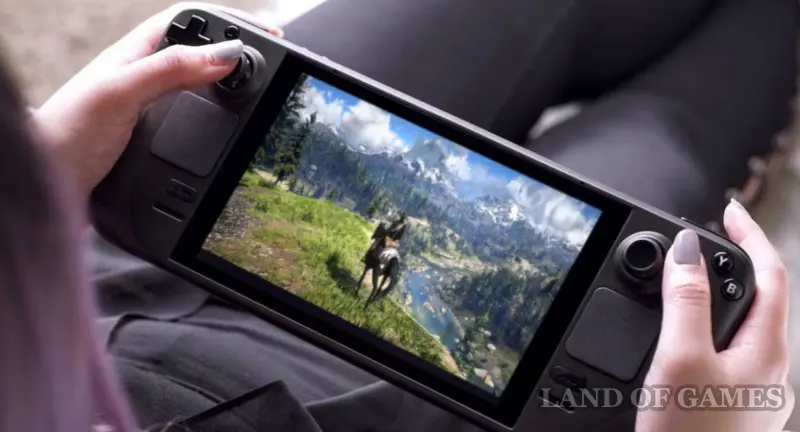
Valve has repeatedly stressed that it’s not interested in releasing a Steam Deck 2, which would only be slightly faster than the current model. The next generation should offer such significant improvements that it makes sense to switch to the new console throughout the generation. The company continues to view this principle as a primary one.
In a recent interview with IGN, Valve developer Pierre-Loup Griffe was asked if the current RAM market crisis forced him to reconsider his original plans for Steam Deck 2. According to him, the concept of the device itself has not changed. Valve still wants to deliver significantly higher performance, but now the company has to take the economy into account and find the right time to make that happen.
Grieve noted that the team is now evaluating the current situation and trying to understand how and when planned improvements will be delivered to users. In the meantime, what are Valve’s basic ideas next? steam deckremains almost unchanged.
The thing is, the portable device market has changed dramatically since the original consoles came out. Modern components already allow you to create more powerful solutions, but such devices often sell for significantly more than the cost of a Steam Deck. If Valve follows the same path, it risks facing a major conflict with future consoles: The more powerful it becomes, the harder it will be to maintain attractive prices.
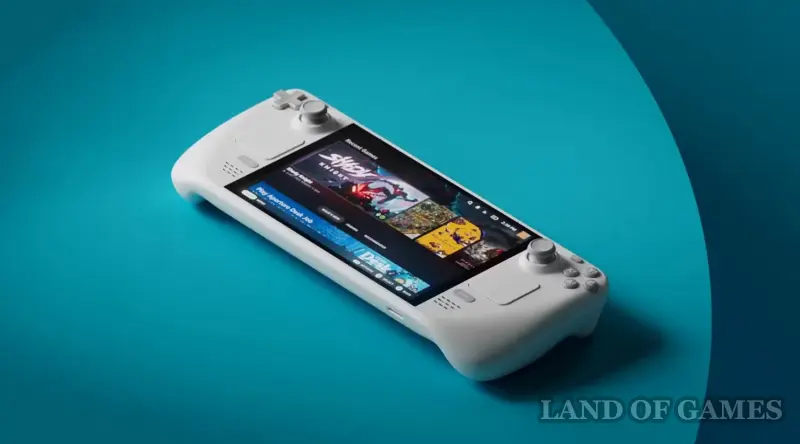
RAM shortages and rising component prices add additional pressure. The increase in costs affects a wide range of market segments—from graphics cards and other computer components to gaming equipment. In this case, manufacturers must either reduce their own profits or pass on the additional costs to buyers.
This is a particularly sensitive issue for Valve. The company has already shown in 2026 that it is ready to release more expensive devices when the chosen technology requires it. Things are slightly different with Steam Deck 2, however. Buyers aren’t just looking for great performance, they’re looking for the same philosophy as the original consoles: the ability to get a full-featured gaming PC in a portable format without paying the price of a premium gaming laptop.
The recent increase in the cost of existing models is also representative. Edition price Steam DeckOLED The price for the 512GB model increased from $549 to $789, and reports have since suggested that demand for the device has declined. Even if this dynamic outcome is temporary or related to multiple factors at once, it’s another argument for Valve to take a cautious approach.
Meanwhile, the company itself shows no signs of abandoning the Steam Deck 2 idea. Instead, we’re talking about the need to wait until the technology allows us to solve two problems simultaneously: provide a truly significant increase in power, and not bring the final price to a level where it starts to lose the advantages of a portable platform.
In this sense, Valve is in a similar position to other manufacturers, who are also forced to strike a balance between hardware development and rising costs. The only difference is that with Steam Deck, the price issue has been particularly important from the beginning.
So Steam Deck 2 isn’t canceled, but Valve is clearly in no rush to release it. The company wants to wait for components that will allow it to make a quantum leap, rather than releasing intermediate versions just to refresh its product line. So the main hurdle for new consoles right now may not be technology, but the ability to make it both powerful enough and affordable enough.