

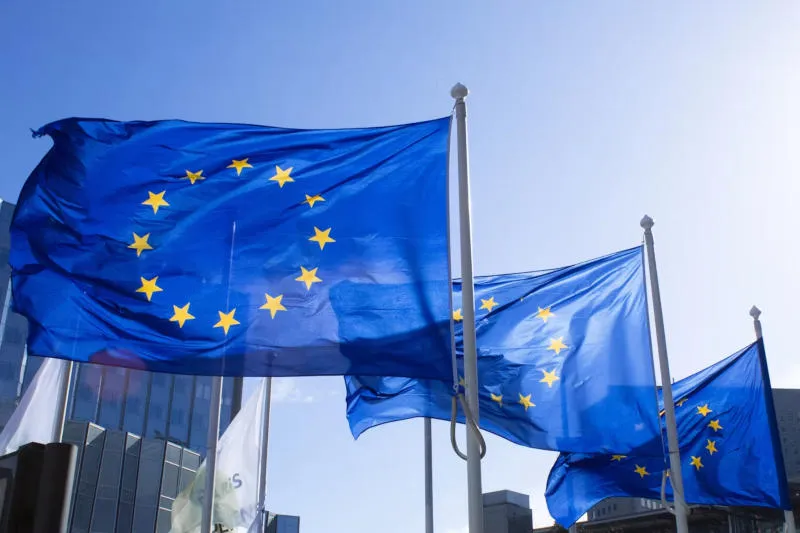
European Commission President Ursula von der Leyen has officially launched an initiative to ban children under 13 from using social networks and force online services to create secure accounts for minors.
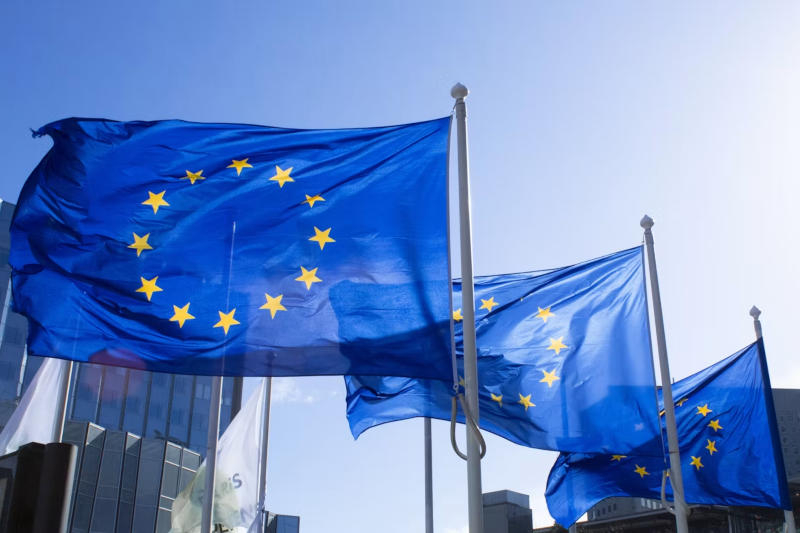
Photo credit: ALEXANDRE LALLEMAND / unsplash.com
Australia, the UK, China, India, Türkiye and some EU countries have previously proposed similar measures – expressing concern about the impact of platforms such as Facebook✴Instagram✴TikTok, YouTube and ChatGPT about children’s mental health and safety. Australia was the first country in the world to impose a ban on social networking for children under 16, but enforcement has been difficult – and apparently a similar situation awaits in Europe. “Today, our children find themselves interacting with some of the most complex technologies ever created, which were not designed with children’s well-being and development in mind.”“Mrs. von der Leyen said. According to her, the European Children’s Online Protection Act (Kids Act) “Clear boundaries will be established in the digital world – just like we do every day in real life”.
If the document is agreed at EU national and European Parliament level and becomes law, accounts of children aged 13 to 15 will be subject to parental supervision. Social networks, video hosting sites, online games, artificial intelligence companions and chatbots targeting children under 18 will be subject to a series of mandatory requirements and bans. Addictive features, analytics-based recommendation sources, infinite scrolling, reward mechanisms, and unnecessary contact with strangers will be banned. Children’s AI companions and chatbots should be disabled by default.
Online platforms need to develop child-safety algorithms, provide easy-to-use parental controls and the ability to block or limit communications with other users. Failure to comply requires companies to verify a user’s age when setting up an account or face fines of up to 6% of global annual turnover. They must also pay regulatory fees to fund the regulator’s activities.
CCIA Europe, an organization representing technology companies, warned that the move posed a threat to data privacy. “Collecting age information, ID and data on children and their parents and guardians on such a large scale will undoubtedly become an attractive target for cybercriminals. The Children’s Online Protection Act creates legal overlap and duplication of provisions, which ultimately weakens the protection of children and consumers.”they said there.
If you find an error, select it with your mouse and press CTRL+ENTER.