


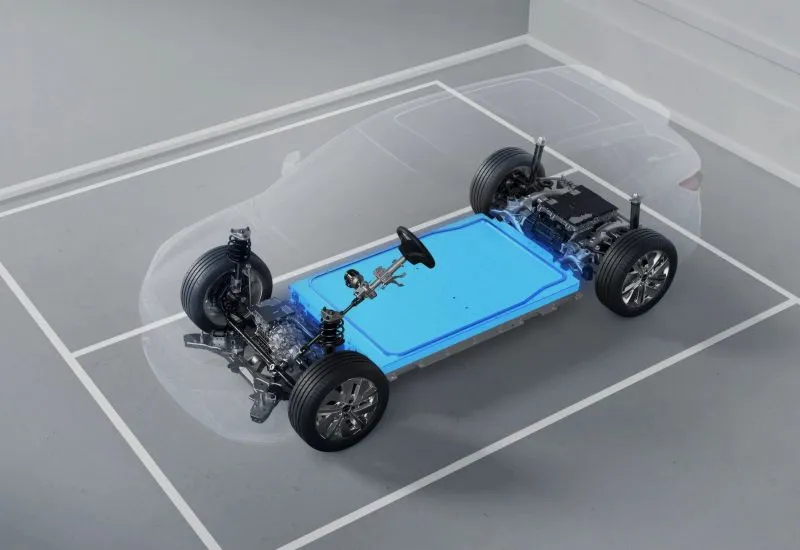
China’s political system means that the state is actively involved in planning economic and industrial development, so the desire of some manufacturers to start mass production of solid-state power batteries in 2030 also resonates with the plans of China’s top political leadership. According to “China’s latest industrial development plan from 2026 to 2030”, by the end of this five-year plan, such batteries will begin to be widely used in the transportation field.
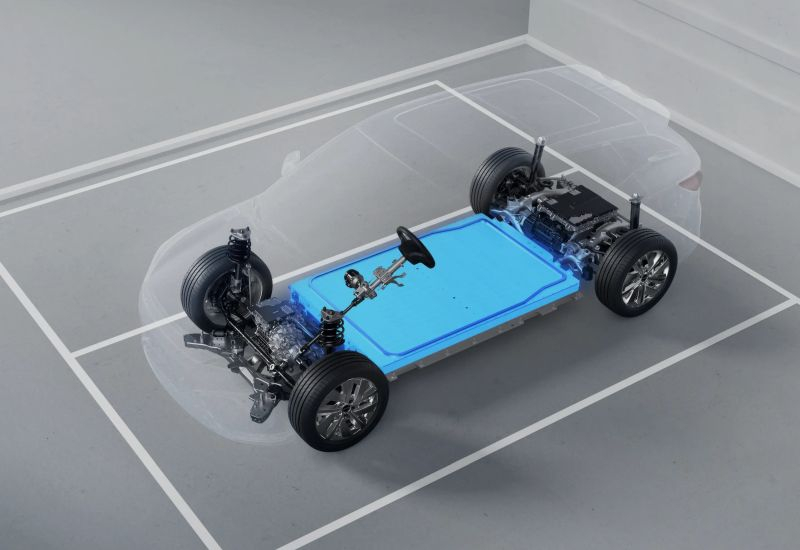
Image source: BYD
according to CLP PostThe government plan was formulated with the participation of seven government departments of the People’s Republic of China and was approved and announced on September 14 this year. In addition to creating conditions for the large-scale use of solid-state power batteries, the plan also involves improving many related technologies. In particular, China’s mass-produced lithium batteries should reach a design life of 15,000 charge-discharge cycles by the end of this century. The defect level of power battery production is also stipulated, and no single defect per billion products should be exceeded.
In terms of mastering the production of solid-state batteries, the government plan provides for accelerating the development of related technologies. It is important to improve the conductivity of ions and the stability of batteries while reducing their production costs. Among them, developers need to improve the pressure control system and expand the production scale of solid electrolytes. It is recommended to combine high-capacity cathode materials with metal anodes and switch to anodeless battery designs in the traditional sense. There is also a need to create new equipment for the production of such batteries, including isostatic presses.
Judging from the chemical composition of power batteries, lithium batteries will be the main ones, but sodium batteries will also be developed. The latter are characterized by strong resistance to negative temperatures, so their mass production is very important from the perspective of ensuring the comfortable operation of electric vehicles in cold climate areas. In addition, they are relatively cheap to produce on a large scale and the materials from which they are produced are widely found in nature. Sodium batteries can also be used in stationary power storage systems and have a long service life.
The Chinese authorities intend to guide the domestic market to ensure access to mineral resources required for the production of power batteries. If the integration of industry players can quickly develop new areas, the Chinese government is willing to facilitate it in every possible way. Special attention will be paid to the recycling of power batteries and the reuse of recycled materials. Core battery recycling companies should emerge in export markets supported by environmental legislation and local authority positions.
An end-to-end identification system for power batteries will allow you to clearly trace the fate of each battery throughout its life cycle and track the carbon emissions from its production and processing. Earlier this month, Chinese authorities announced a national auto industry development plan that includes increasing the share of hybrid and pure electric vehicles in the passenger car market in China’s main markets to 70% by 2030.
If you find an error, select it with your mouse and press CTRL+ENTER.