



In June, OpenAI launched the Jalapeno AI chip, and Broadcom experts actively participated in the development of the chip. OpenAI Vice President of Hardware Richard Ho was interviewed Tom’s Hardcore Talked about how Jalapeno was developed and how the experience gained can be useful to the semiconductor industry as a whole.
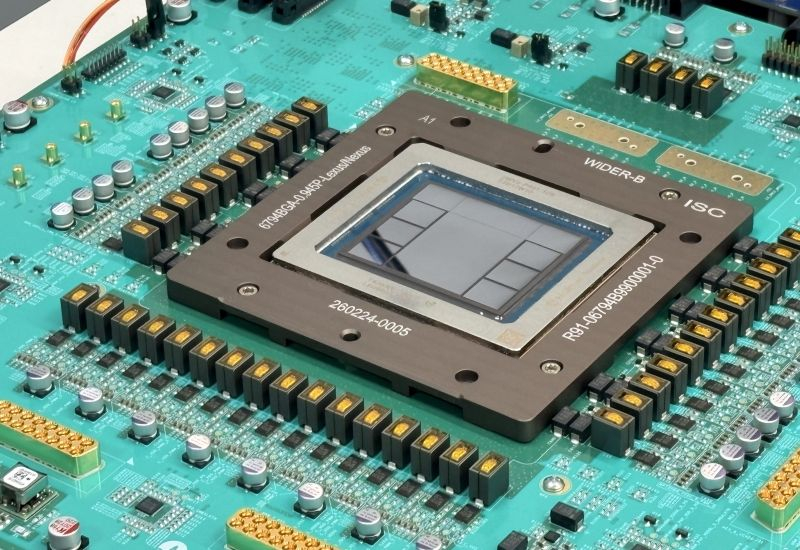
Image source: OpenAI
First of all, OpenAI representatives pointed out that the active use of artificial intelligence in the chip design stage has reduced the entire process time from the traditional 18-24 months to 9 months. It’s too early to talk about AI replacing engineers’ jobs as a small group of experts eventually become more productive. We also had to make certain compromises from an architectural perspective, as tight design deadlines were a priority. In the future, if more complex wafers need to be created, OpenAI can rely on artificial intelligence and pre-existing designs to do so faster than traditional methods.
Ho said that OpenAI created its own chips out of a desire to improve the efficiency of computing infrastructure, because in the context of a shortage of computing resources in the AI field, they need to be managed more rationally. In this sense, inference artificial intelligence chips under modern conditions determine the user experience as much as possible, so Jalapeno is specifically tailored for these purposes, reducing delays in processing requests.
At the same time, Jalapeno should perform well when working with artificial intelligence models from different vendors, not just OpenAI’s own models. In fact, within a few months, even models that were not considered during creation can be adjusted to work effectively with the wafer. At the same time, Ho believes that OpenAI’s internal demand for computing resources has great potential, and the use of Jalapeno by external customers will not need to be discussed for a long time.
OpenAI is ready to share the experience gained in developing Jalapeno with the help of artificial intelligence with other market players, as it is interested in entering the market faster with new wafer models from other vendors and using these models in its infrastructure. OpenAI will not abandon components from other developers such as AMD and Nvidia, but will continue to use them in its computing infrastructure. The most important thing is that the final data center hardware configuration is effective in terms of performance provided at a certain cost level.
OpenAI plans to release a new generation of its own chips to the market when they are ready, and in this area there are no predetermined requirements for the cadence of such releases. Each new generation should be significantly more productive than the previous generation, so they won’t be replaced too frequently.
If you find an error, select it with your mouse and press CTRL+ENTER.