

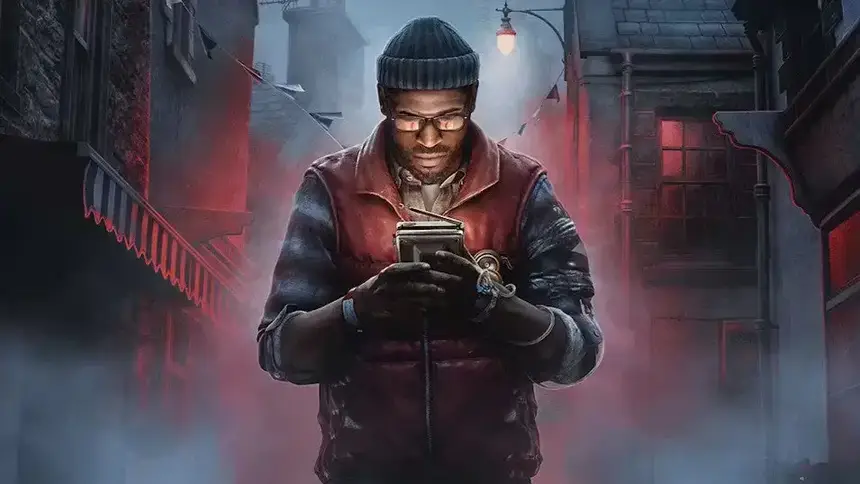
Many fans were extremely skeptical about the release of Silent Hill: Town Falls. And even after launch, judging from Steam statistics, users are in no rush to buy the game. The highest value online is much lower than that of “Silent Hill 2” and even the controversial “Silent Hill F”, which divided fans into two camps. But is everything really as bad as it first seems? I will try to answer this question in this review.
First, it’s worth confirming or denying the concerns I had before the game launched. First of all, the transition to first-person perspective (previously only in the mini-game “SMS” and individual episodes) is a very good decision. Unlike previous installments, there’s more stealth and less action, and the new perspective perfectly emphasizes this direction. You have to hide, peek around corners, and listen to every rustle. Additionally, the developers made a point of making sure combat was treated more as a necessity rather than the primary way to interact with enemies. You can exploit the environment, distract your opponents, and simply move around them. I don’t want to say which ones are better and which ones are worse, because each method has its own characteristics. To be honest, I myself don’t want this series to go completely first-person. But this experiment obviously cannot be called a failure.
The protagonist Simon is indeed an ambiguous person. When you first meet him, you will feel that he is like an empty puppet, reacting directly to everything, and sometimes even seems to have no emotions. However, as history progressed, this situation gradually changed. Towards the second half, Simon begins to react more to what is going on, showing emotion and participating more actively in activities. Of course, that’s still not enough to call him one of the best characters in the series, but he becomes more interesting as time goes on.
As we progress, our impressions of the plot change. It seems boring at first and develops too slowly. You get hints, meet new characters, find another note, but at the same time you don’t really understand what’s going on and where it all leads. However, things soon changed. The plot finally starts to turn around from the dead center, and what happens in Santa Amelia becomes more interesting. I already wanted to figure out what was going on in the city, how the characters were connected, and why everything that happened looked the way it did. At the same time, the game does not directly answer all questions, but leaves some details to the player himself, allowing him to independently construct a theory about what is going on.
By the way, Simon isn’t the only playable character. In Chapters 2 and 3 we can play as Zoe, who asks to come to the city we saw at the beginning of the game. Despite the significantly less time allotted to her, her gameplay perfectly underlines the passage and brings in a medical-related element. Richard also plays an important role in the story, he initially helps us from afar, and in one of the chapters we even get a chance to play for him. Moreover, the developers have spared no ammo here, so after some careful maneuvering as Simon, you can finally start firing to your heart’s content.
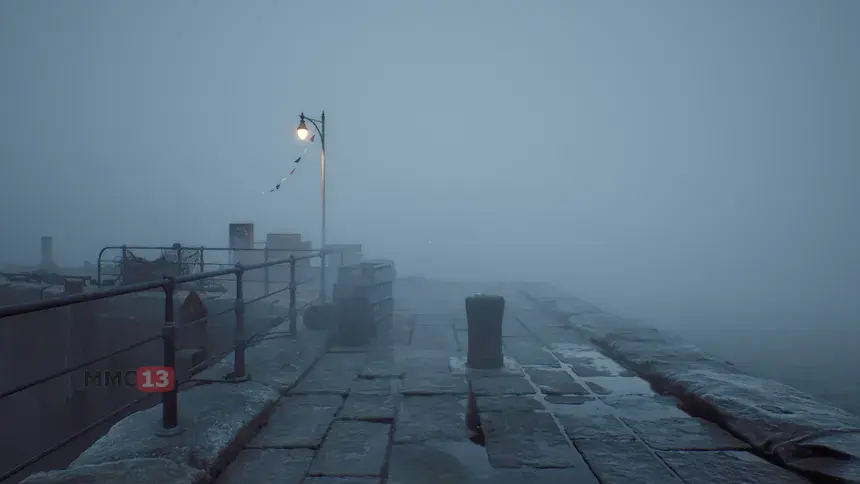
The atmosphere of the game itself lives up to its name. Despite all the experiments with perspective and gameplay, the author clearly understands the recognizability of Silent Hill. There’s enough fog, abandoned rooms, strange sounds, and an unpleasant feeling that there’s something much scarier behind what’s going on around you. The location of the action this time is not the usual American city, but the Scottish town of Santa Amelia, but this does not prevent the game from being “Silent Hill”.
Furthermore, the game often scares not the monsters themselves, but the anticipation of seeing them. You can be calmly exploring the next room, reading notes or looking for solutions to puzzles, and then hear some suspicious noises coming from the next room. You have to stop and listen and try to understand if someone is really there or just a figment of your imagination. Sometimes moments like this are more effective than scares.
The combat system recedes further into the background. You rarely have to fight, especially if you’re hoping to get one of the endings. In most cases, it will be more profitable to simply avoid encountering the enemy, hiding or going around him. The same applies to the first-person perspective, as you’ll need to constantly monitor your surroundings and think about where to move next, rather than generally killing all enemies. Also worth mentioning is the portable CRTV device that Simon carries with him. This item fits well into the overall atmosphere of the game and is actively used in a variety of mechanics, such as being able to find out the direction of your opponent and gain additional lore information.
The game does have a lot of classic missions where you need to find keys, pick up passwords, study notes, or double-check rooms. In some cases, the solution is nearby, while in other cases you have to travel to another part of the location. Indeed, some puzzles may seem too confusing. I admit, I had to use the guide a few times to figure out what the game really wanted me to do.
As for the graphics, there are generally no serious complaints. The game looks great and the environments are detailed. I particularly enjoyed the abandoned buildings and the moments when a familiar reality began to fade into something more unpleasant. It’s clear that the developers are trying to make each location memorable, rather than just filling the game with the same corridors. It’s true that Townfall’s optimization isn’t the best. Stuttering and FPS drops occur regularly, sometimes even when what’s happening on the screen clearly shouldn’t place a heavy load on the system. Overall, it’s playable and everything works well most of the time. But that obviously won’t happen without additional patches.
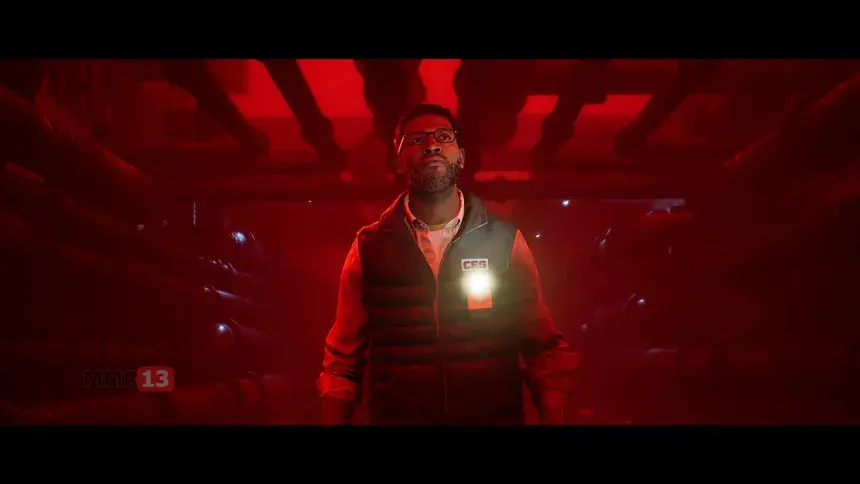
Silent Hill: Town Falls isn’t really a gift to fans, but it’s a worthy entry in the series, and I’m glad I finished it. The first-person perspective makes sense here, and the stealth, puzzles, and atmosphere complement each other well. The first few chapters were really disappointing with a slow plot and a rather faceless Simon, but by the second half things improved significantly. The story starts to get moving, the characters get better developed, and what happened in Santa Amelia finally starts to interest people. In general, the developers managed to preserve the company’s style and provide a very interesting option for the development of the series.