

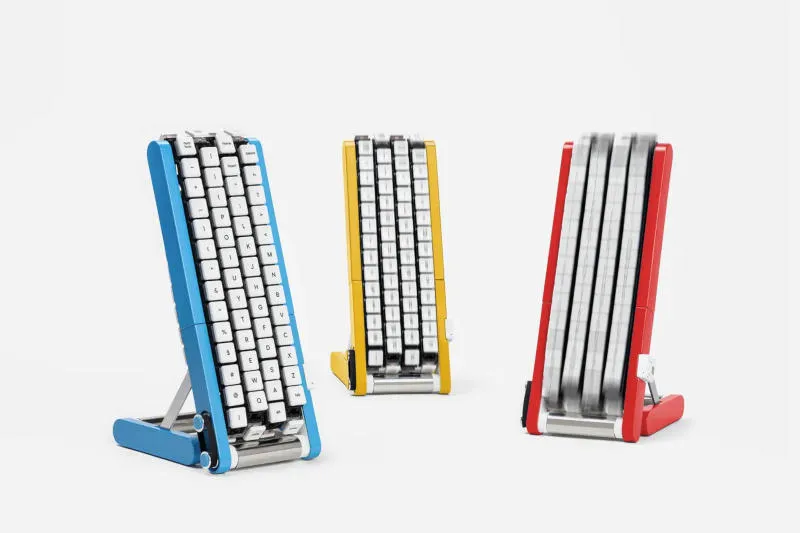
Google’s Japanese branch follows tradition, propose October 1 is the fifteenth project of innovative keyboards designed to make typing easier – this time, so as not to have to move your hands over the entire layout surface, it is made based on the principle of a conveyor belt. The Gboard Kuru-Kuru project is a joke.
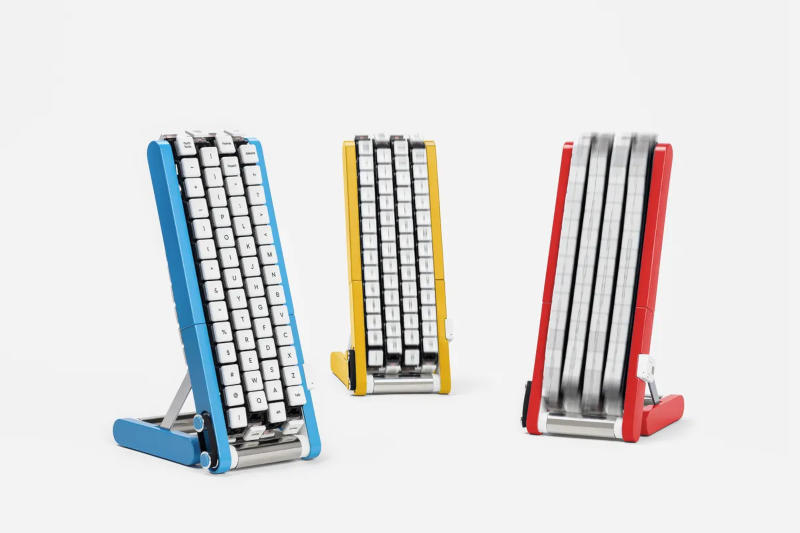
Image source: blog.google
Traditional keyboards are designed to be used with both hands simultaneously – trying to type with one hand or one finger requires significant movement of the palm or entire arm. To ensure efficient typing with one hand or even one finger, Japanese Google engineers decided to make the keyboard itself move.
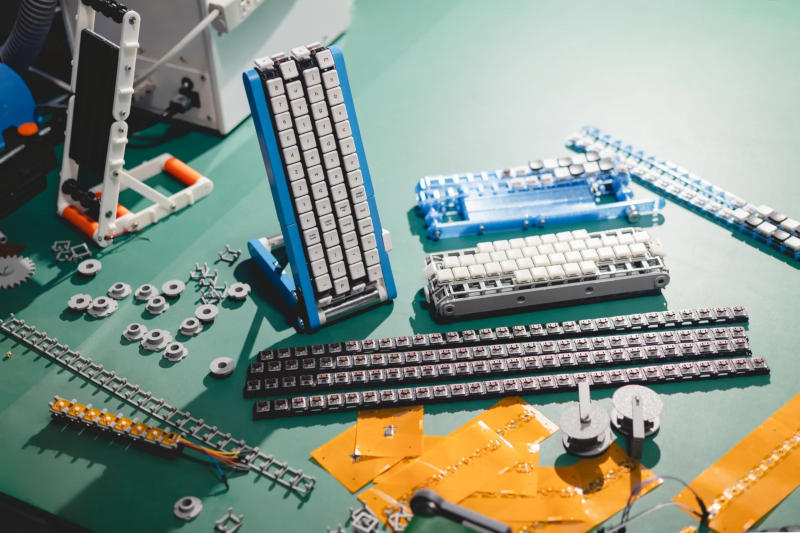
The keys on the Gboard Kuru-Kuru are located on four moving ribbons. The transport mechanism smoothly brings the keys directly to your fingertips for use – you no longer have to reach for the keys as they move towards you themselves. Users simply press the necessary buttons as they pass by. There are 29 keys on each bar that allow you to enter uppercase and lowercase letters without unnecessary movement.
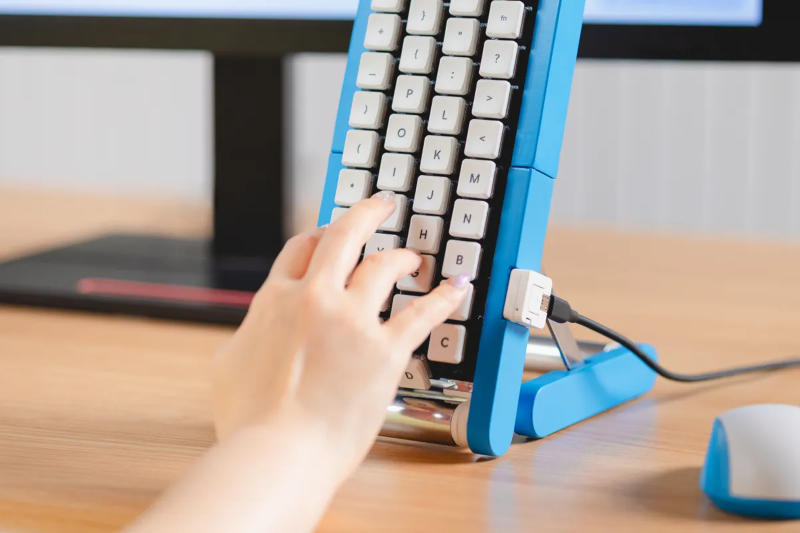
If you install a second Gboard Kuru-Kuru, you can further improve performance. Japanese Google engineers said the project could also be improved: provide stylish color solutions, add a high-speed mode, create a long version with an expanded character set, or a short version that is easy to carry around.
All kidding aside, Japanese Google engineers implemented the Gboard Kuru-Kuru project with traditional thoroughness and posted all relevant materials on GitHub — Anyone can now build a teleportation keyboard.
If you find an error, select it with your mouse and press CTRL+ENTER.