



The new iPhone 18 Pro and Pro Max did not live up to Apple’s expectations: the company began to cut orders for components and assembly of smartphones amid weak demand. According to suppliers, October orders were 15-20% below the original plan.
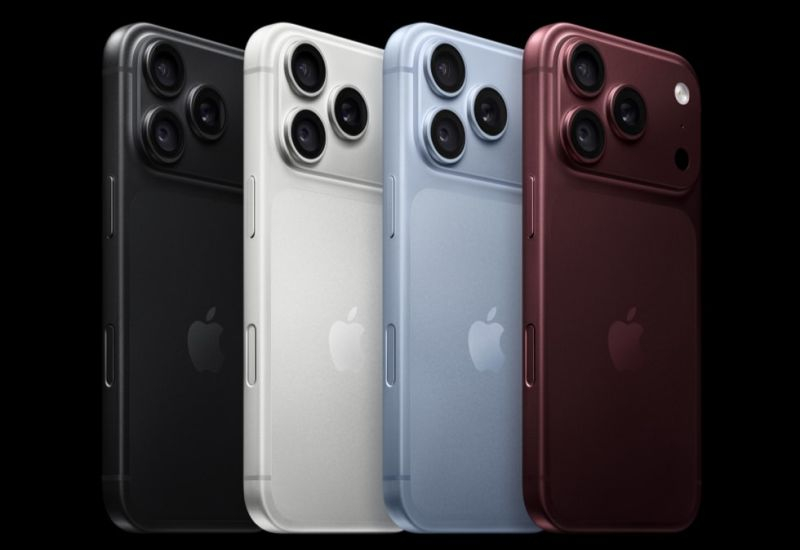
Image Source: Apple
The Apple iPhone 18 Pro Max and iPhone 18 Pro smartphones presented last month should be actively developing the market at this stage, but sources among suppliers said Nikkeithat the company notified them of the need to reduce production volumes of certain components necessary in the manufacture of these device models. Apple’s own plans for the number of smartphones in this series it needs have been reduced by 15% this month compared to the original version. The reason for the adjustment turned out to be banal – new products are not in high enough demand.
The management of one of Apple’s suppliers, in a conversation with Nikkei, admitted that in October the volume of orders for both models of the iPhone 18 Pro family was reduced by 15 to 20%, and it is now difficult to judge how the situation will develop further. The reduction in order volumes will affect some Apple partners in October, but not all, since they are also distributed over time due to different deadlines. It is difficult to judge whether Apple will reduce order volumes in November.
One of Apple’s suppliers admitted that in volume terms, orders in the period from the end of August to October this year decreased relative to previous years, but the company’s transition to a seasonal division of the announcements of its smartphones is partly to blame for this. It no longer unveils all models of the new family at once in September, and plans to introduce more affordable iPhone 18 series smartphones only next year, so the need for components in the current half of the year is proportionally decreasing.
The company is expected to introduce the base iPhone 18 and the ultra-thin second-generation iPhone Air in spring 2027. Accordingly, as suppliers explain, components for the production of the basic iPhone 18 will be required by Apple only by the end of this year in order to bring it to market at the beginning of next year.
Apple will partially compensate for the reduction in iPhone shipments this season by rising prices, which have increased by at least 10% compared to last year’s level. Component suppliers are also adapting to new market conditions by adjusting production volumes.
UBS analysts this week expressed concern about what is happening in the supply of new Apple smartphones. They noted that average wait times for iPhone 18 Pro orders from customers in more than 30 countries and regions continue to decline. Against the backdrop of stable supply volumes, this raises concerns among UBS representatives about the elasticity of demand, especially given the increase in prices for new products relative to the previous generation iPhone.
The iPhone 18 Pro and iPhone 18 Pro Max debuted on September 9 with prices starting at $1,199 and $1,299, respectively, and began appearing in stores on September 18. Apple’s first folding smartphone, the iPhone Duo, was unveiled at the same time, but it will go on sale starting at $1,999 for the 256 GB version on October 23 in 70 countries and regions around the world. Apple suppliers even express the opinion that the high price of the iPhone Duo will force the company to reduce the volume of orders for their supply soon after the sale of the first batch. Additionally, the foldable model is a first for Apple to feature a flexible display and hinge, making the iPhone Duo more complex and expensive to manufacture.
The smartphone market is going through hard times this year due to rising prices for memory chips. According to IDC forecasts, by the end of this year, smartphone shipments will decrease by 16.7%, and the decline will continue in 2027. Average selling prices have already increased by 27.6% compared to last year, and entry-level and mid-range devices are simply being washed out of the market. For manufacturers who concentrated on the last two market segments, the scale of problems with product sales will be more serious.
Apple and Samsung, as leaders in the smartphone market, which can also wait out difficult times in the premium segment of the market, will have the opportunity to increase their positions from less than 20% to a strong 22% in both cases by the end of this year, according to Counterpoint Research analysts.
If you notice an error, select it with the mouse and press CTRL+ENTER.


