


The booming development of artificial intelligence systems has quickly made storage chip manufacturers the focus of the semiconductor industry. Micron Technology’s CEO uses this frequently, and made it clear in another recent interview that the company’s customers are getting involved earlier and earlier in the development of new memory. He believes this marks an important shift in the memory market.
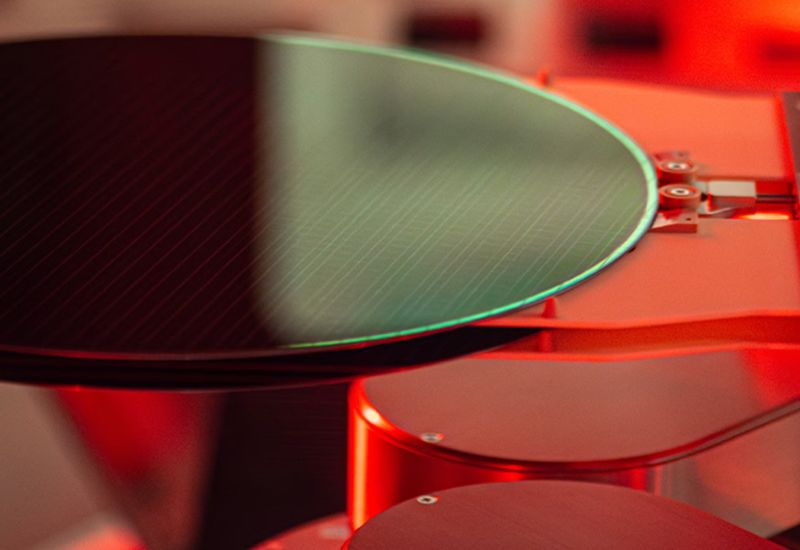
Image source: Micron Technology
The head of the world’s third largest memory manufacturer spoke on the channel CNBCwhile talking to Mad Money host Jim Cramer: “There is no artificial intelligence without memory now. Artificial intelligence systems need larger memories. They need powerful memories. They need low-power memories. That is, the value of memory, the equation itself has completely changed.”.
Micron itself will spend approximately $250 billion over the next fifteen years on the development of U.S. memory production, some of which will be used to fund research and development. Micron Technology is building two new memory factories next to its Idaho headquarters, each requiring enough steel to circle the Earth’s equator twice, according to the company’s chief executive. The first new facility in Idaho could begin processing silicon wafers as soon as the middle of next year.
Mehrotra is convinced that the memory market’s previous cyclicality will become a thing of the past as the expansion of artificial intelligence systems changes the structure of demand. As he explains, it won’t all be limited to data centers; self-driving cars, robots, and personal artificial intelligence devices will require more memory in the coming years: “Today, memory is becoming a basic need commodity. So I see it as an element of strategic infrastructure in the age of artificial intelligence.”.
Micron Technology’s customers are increasingly focused on maximizing memory performance through early involvement in memory development. “Our customers recognize the value of memory because it enables them to develop products that become their growth engines,” – Mehrotra emphasized. He said the company was unable to meet the product needs of all market segments. For example, in the server space, demand exceeds supply by about 50%. As of the end of June, Micron had 16 long-term contracts with customers, a number that has continued to grow since then.
If you find an error, select it with your mouse and press CTRL+ENTER.