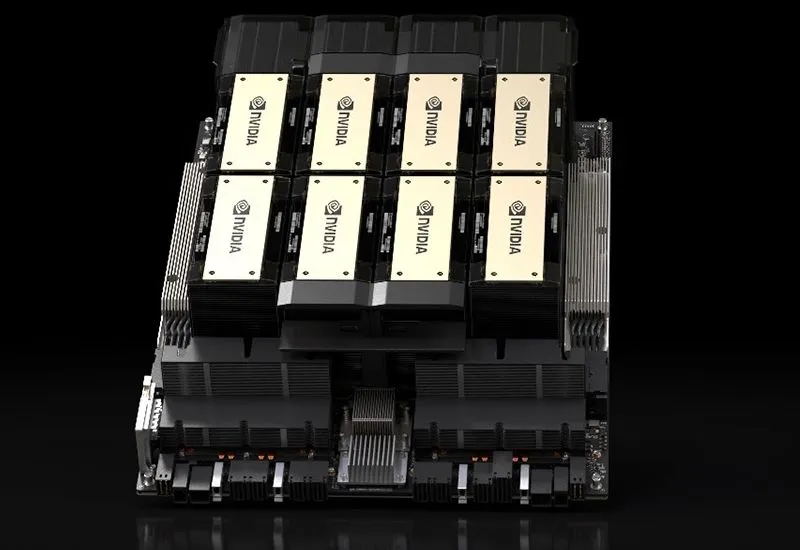
Nvidia’s quarterly report partially confirmed previously released information about the start of deliveries of its Hopper-based H200 accelerators to the company’s Chinese customers. Management modestly noted that these deliveries represented no more than 1% of all server revenue during the period, and core revenue was not included in this quarter’s forecast.
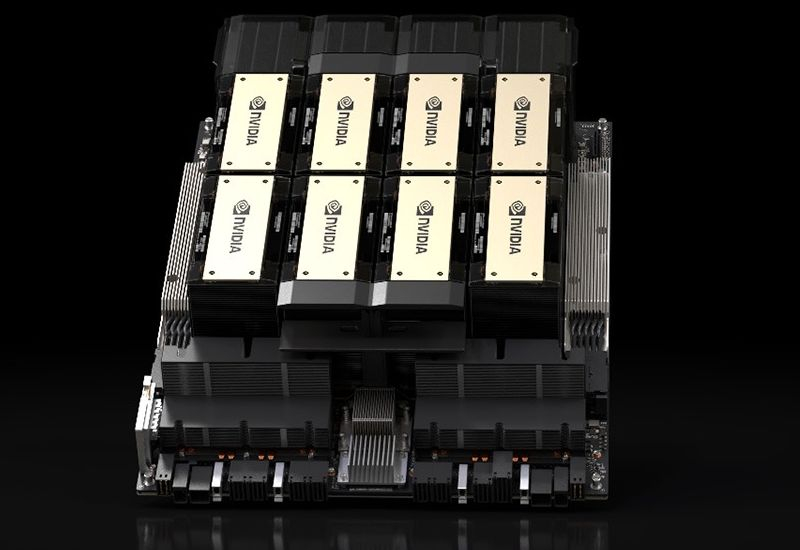
Image source: NVIDIA
The rationale for this last step was the persistence of geopolitical uncertainty, so Nvidia emphasized that while it expects revenue of $108 billion for the quarter, this amount does not include forecasts for the Chinese market. The company said the H200 accelerator it could have supplied to Chinese customers under the terms of an export license it obtained in the U.S. in January was unable to be sold last quarter as it encountered resistance from Chinese authorities in this area. So over the past six months, Nvidia forced A $400 million write-off occurred due to the emergence of remaining H200 inventory. China simply cannot purchase the planned number of such accelerators.
Regardless, Nvidia’s overall revenue in the Chinese market nearly doubled to $7.88 billion in the second quarter, but that figure also includes the supply of all other parts that are not prohibited from being imported into China. If you consider that Nvidia’s total server revenue during the reporting period was $89 billion, the company’s revenue from the supply of the H200 certainly did not exceed $890 million. Last year, Nvidia earned no more than $60 million in revenue by supplying lower-productivity H20 accelerators to China. In April 2025, U.S. President Trump banned supplies to China, but he changed his mind after a while, and the Chinese authorities further restricted the purchase of H20 by Nvidia’s Chinese customers.
At the end of last year, Trump agreed in principle to ship more advanced H200 boosters to China, but the process of issuing export licenses was delayed for several months. It was not until July that U.S. officials confirmed that these small quantities of boosters had arrived in China through official channels. Chinese authorities refuse to import such computing solutions as they encourage the creation of domestic alternatives. These issues are likely to be raised at the upcoming U.S.-China leadership meeting next month.
If you find an error, select it with your mouse and press CTRL+ENTER.