


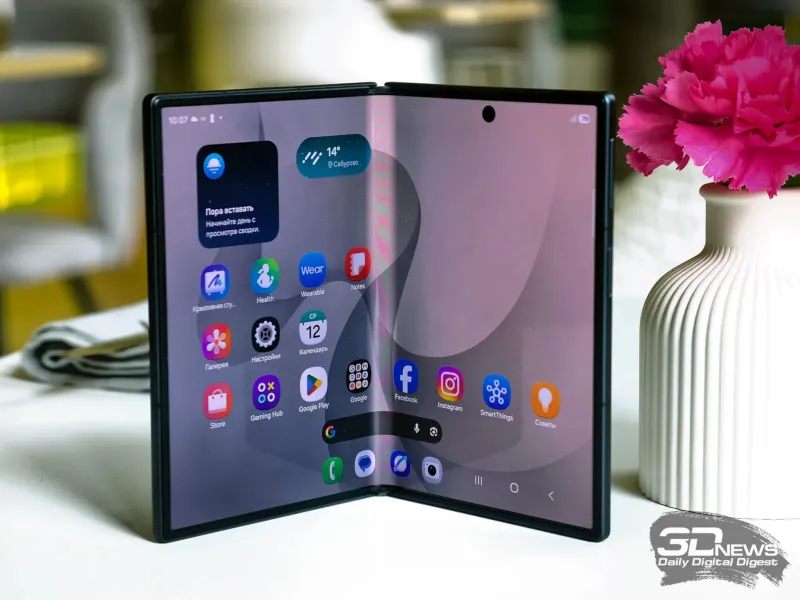
The next foldable smartphones from Google, Oppo and Vivo will feature flexible dual UTG (ultra-thin glass) displays with two ultra-thin glass panels. According to reports from Korean sources, Apple is the first to use this design in a foldable iPhone, but it has not yet been officially announced. electric power company.
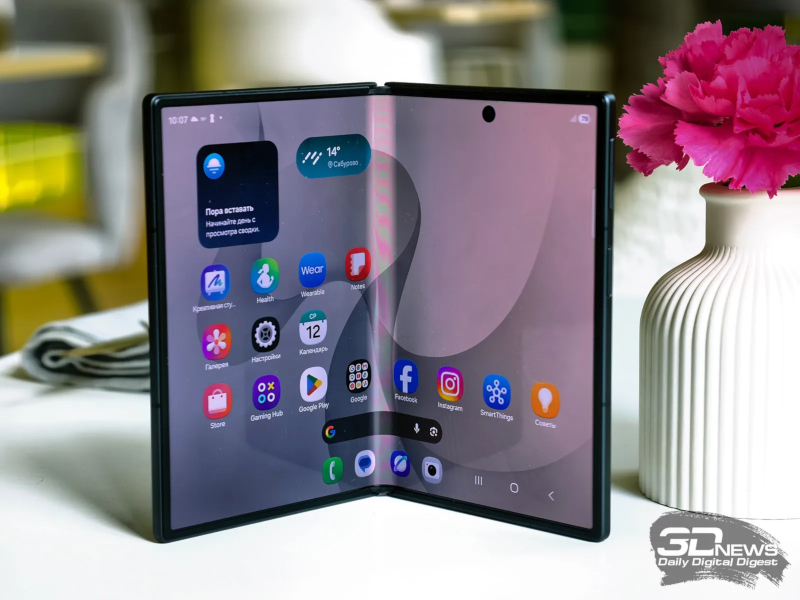
The manufacturer of the new panel is Samsung Display, which has adapted it to the specifications of Google, Oppo and Vivo. The company evaluates the performance indicators and studies the conditions for mass production based on each customer’s requirements for the product’s structure, thickness and durability. Mass production should begin in such a way that the next generation of foldable smartphones will feature new displays next year.
Dowoo Insys is involved in the development of UTG technology – Samsung Display’s partners will provide UTG boards, which the Korean electronics giant will integrate into its OLED panels: there is a UTG layer above the OLED panel and a second layer below. The upper UTG plate is tens of microns thick; it allows you to fold the device multiple times, protecting the screen from external impacts and scratches. The bottom layer supports the OLED panel from below, relieving mechanical stress in the hinge area when opening and closing the device, and increasing the rigidity of the bottom of the panel. By adjusting the physical properties of the top and bottom panels, you can reduce wrinkling in the center of the screen and the distortion caused by constant folding.
The latest series of Samsung Galaxy Z smartphones take a different approach: the top of the screen is also protected by a UTG layer, and a Flex Titanium structure is installed on the bottom: a titanium alloy film and a reinforced titanium plate – instead of the bottom UTG layer, they relieve pressure when folded. The technology to mass-produce UTG top sheets individually already exists, and it’s a fairly simple process – it reduces the additional costs, bonding processes and productivity losses associated with adding a UTG bottom sheet.
Apple uses a two-layer UTG construction – it’s important to the company to minimize creases and improve product quality. By using the same material above and below the display, the rigidity and folding tension of the overall panel can be more precisely controlled. Google, Oppo and Vivo have taken a similar approach – with the latter two brands citing increased screen strength and durability as key differentiators for their foldable models. Minimal screen crease is becoming an increasingly important competitive factor in high-end devices, which will drive the use of dual UTG in new generation models.
If you find an error, select it with your mouse and press CTRL+ENTER.