


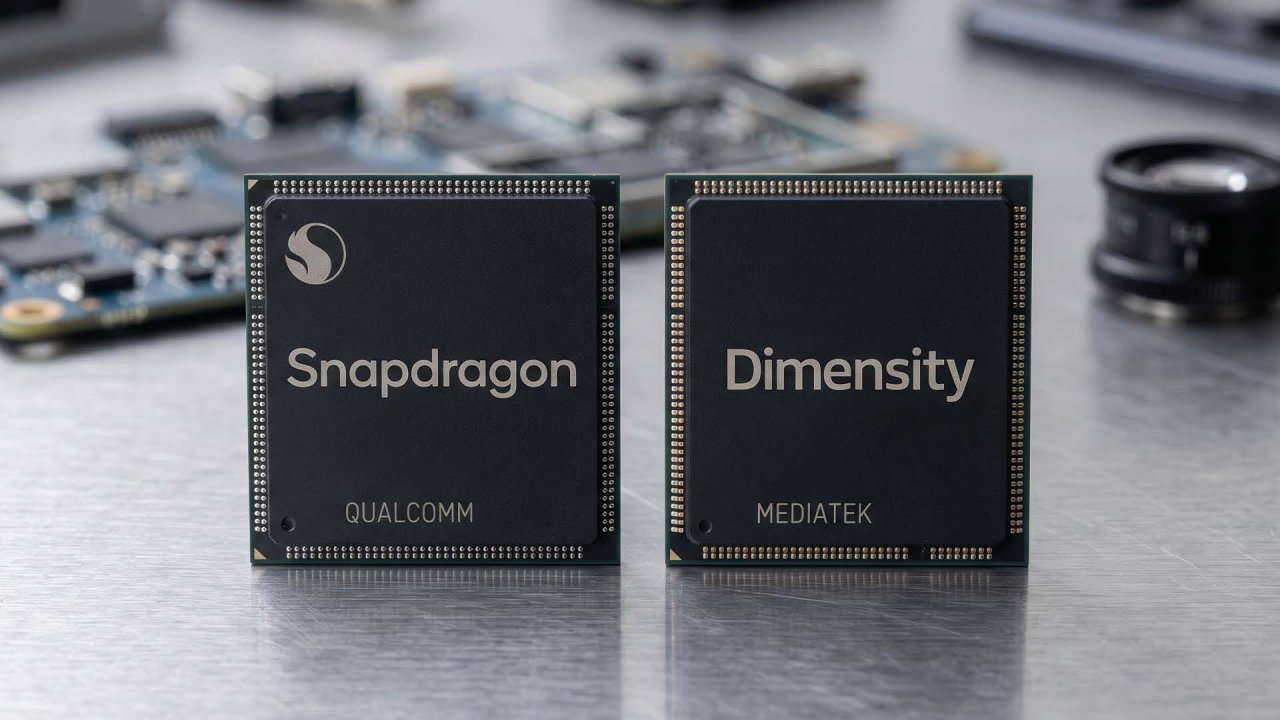
The smartphone SoC market will decrease by 21% annually in the second quarter of 2026: MediaTek maintains its leading position, while Samsung achieves strong growth with Exynos.
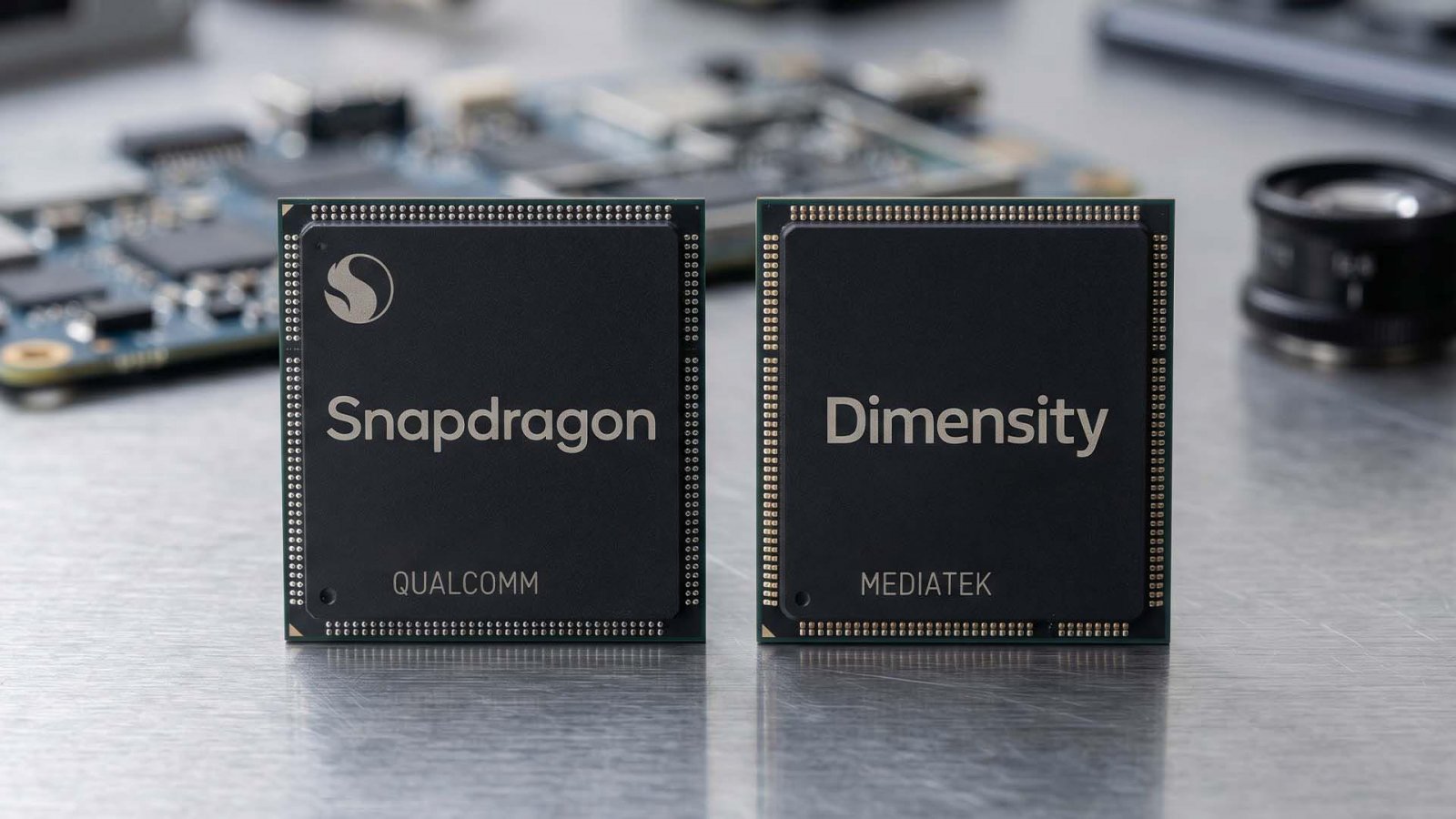
The smartphone system-on-chip market also experienced a particularly difficult second quarter of 2026. Rising memory prices and more prudent inventory management by manufacturers have led to Shipments are down 21% compared to the same period in 2025.
The consequences particularly affect chips used in low-cost and mid-range smartphones. In a market increasingly constrained by parts costs, many manufacturers are actually reducing the number of entry-level models and reviewing the composition of their catalogs to protect margins.
MediaTek maintains the lead, Samsung’s market share rises to 9%
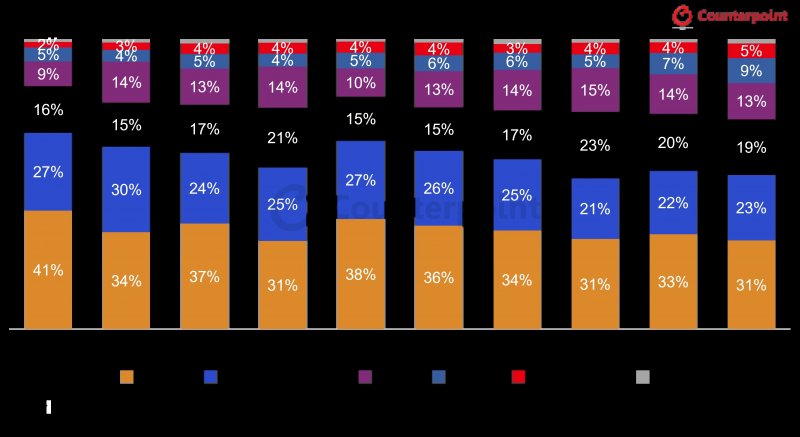
According to data from Counterpoint Research, MediaTek retains top spot In the second quarter of 2026, its market share was 31%, ahead of Qualcomm (23%). However, the two companies’ shipments fell by more than 30% year-on-year.
For MediaTek, difficulties are particularly severe in the mainstream and entry-level segments directly affected by the memory crisis. The high-end segment also shrank, while Dimensity 8000 series benefits from Dimensity 8500 shipmentssupported by device requirements such as POCO X8 Pro and Honor Power 2.
Intel CPUs are increasing in price: average price increase of 10% in October?
Qualcomm also lost share in the high-end market. According to counterpoint, Popularity of Exynos 2600 in the basic version of Samsung Galaxy S26 series In some areas, this reduces opportunities for U.S. companies. Memory shortages and stockpiling have also affected shipments of Snapdragon 600 and Snapdragon 400 chips.
The most notable result is Samsung. Exynos chip share increased from 6% in the second quarter of 2025 to 9% in the second quarter of 2026, reaching the highest level in recent years. This growth was driven by the Galaxy S26 series and the mid-range Exynos 1680 and Exynos 1480.
In contrast, Apple’s market share was 19%, down from 20% in the previous quarter, but up year-over-year from 15% in the second quarter of 2025. Counterpoint attributed this result to the sales of the iPhone 17 series, Particularly favorable demand for Pro models.
HiSilicon reached 5%, supported by the high-end segment after the launch of Huawei’s Pura 90 series, while Unisoc fell to 13% due to difficulties in the entry-level segment. However, growing demand for certain LTE and 5G chips has allowed the company to remain relevant.
The second quarter of 2026 therefore highlights changes in market composition rather than a simple reduction in sales. As memory becomes more expensive, smartphone makers seem destined to Focus resources on the most profitable equipmentlikely reducing supply in lower price ranges. This dynamic is likely to continue to change the balance among the major SoC vendors in the coming quarters.